
Buildings
ORNL is transforming buildings into reliable and responsive energy systems that strengthen the nation’s energy security, reduce costs and remain functional under changing conditions.
Explore Buildings NewsBuilding Technologies for Reliable and Affordable Energy
Buildings use energy to provide heating, cooling, hot water, refrigeration, lighting, and power for homes, businesses, factories, and data centers. How effectively buildings manage these demands affects energy costs, grid reliability, and their ability to remain operational during extreme conditions or disruptions.
Oak Ridge National Laboratory approaches buildings as integrated energy systems. Researchers combine thermal science, materials, advanced manufacturing, artificial intelligence, high-performance computing, and systems integration to improve building envelopes, equipment and energy management.
This research helps reduce energy use, strengthen grid reliability, improve building performance, and accelerate deployment of technologies by U.S. manufacturers and building owners.
Building Technologies for Resilient Energy Systems
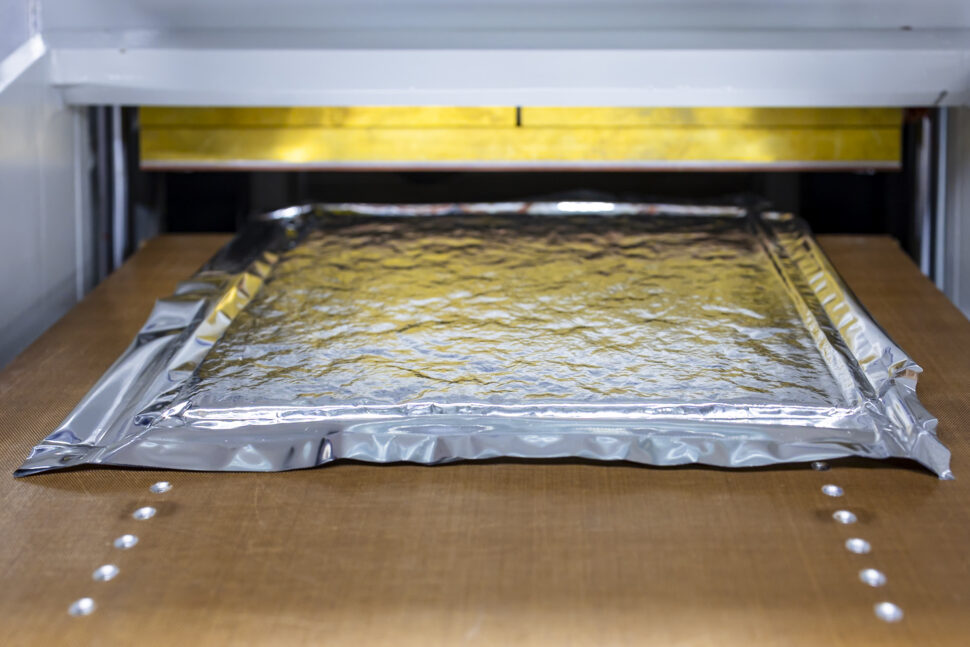
ORNL develops technologies to heat, cool and manage buildings more efficiently and reliably. Researchers are advancing heating and cooling equipment, dual-fuel systems, next-generation refrigerants, thermal energy storage and other thermal management technologies. AI-enabled controls can coordinate equipment and stored energy in response to changing weather, occupancy and grid conditions. These capabilities can reduce peak demand and energy costs while maintaining comfort and essential building services.

ORNL develops materials and components that improve the energy performance, durability and resilience of building envelopes. Researchers study how heat, air and moisture move through walls, roofs, windows, attics and foundations to improve insulation, sealants and coatings. Improved envelope systems can reduce heating and cooling loads, help maintain safer indoor temperatures during outages and control moisture. ORNL is also developing fire-resistant materials for existing buildings and new construction.

ORNL is advancing industrialized construction methods that integrate digital design, automation, additive manufacturing and modular assembly. These innovations can increase construction productivity, affordability, quality and safety while reducing energy loss, material waste and construction costs. Automated construction and digital design can also make advanced envelope materials more affordable to install and shorten the time needed to rebuild after a disruptive event.
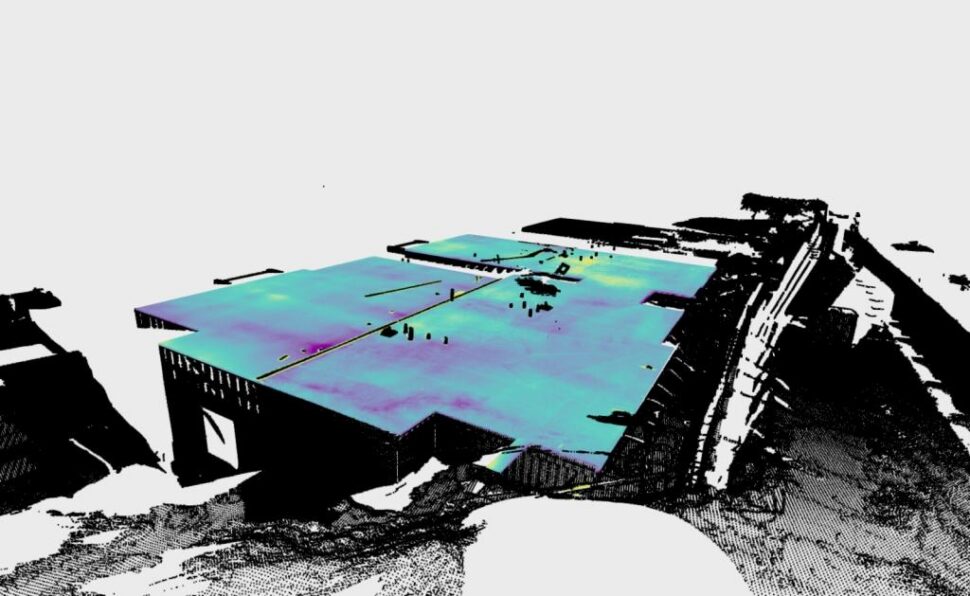
ORNL develops sensors, advanced controls, AI, digital twins and building energy models that make energy use more predictable and responsive to changing conditions. Researchers use these technologies to detect performance problems, forecast demand, optimize equipment and coordinate energy use across buildings. By integrating building models with grid, transportation and weather models, ORNL helps reduce peak loads, improve regional planning and strengthen the reliability and recovery of buildings and the U.S. electric grid.
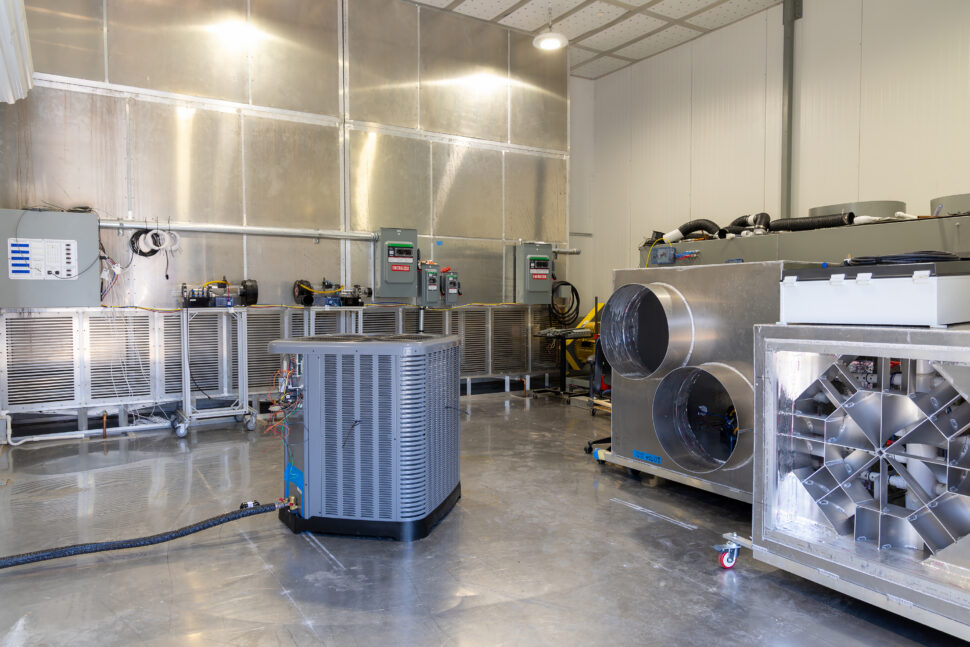
ORNL develops affordable retrofit strategies that improve the performance of existing buildings without requiring complete system replacement. Researchers combine building assessments, energy modeling, automated diagnostics, components produced through advanced manufacturing, thermal energy storage and controls to identify and integrate cost-effective improvements. Testing under realistic operating conditions reveals how technologies interact as a system. This work can reduce installation challenges, improve performance and provide manufacturers, utilities and building owners with stronger evidence for investment and deployment.
Partner with ORNL
ORNL connects scientific discovery with real-world deployment, giving U.S. industry and public-sector partners access to multidisciplinary expertise, advanced research capabilities, and system-level validation that reduce uncertainty and accelerate building technology innovation.
World-Leading Capabilities
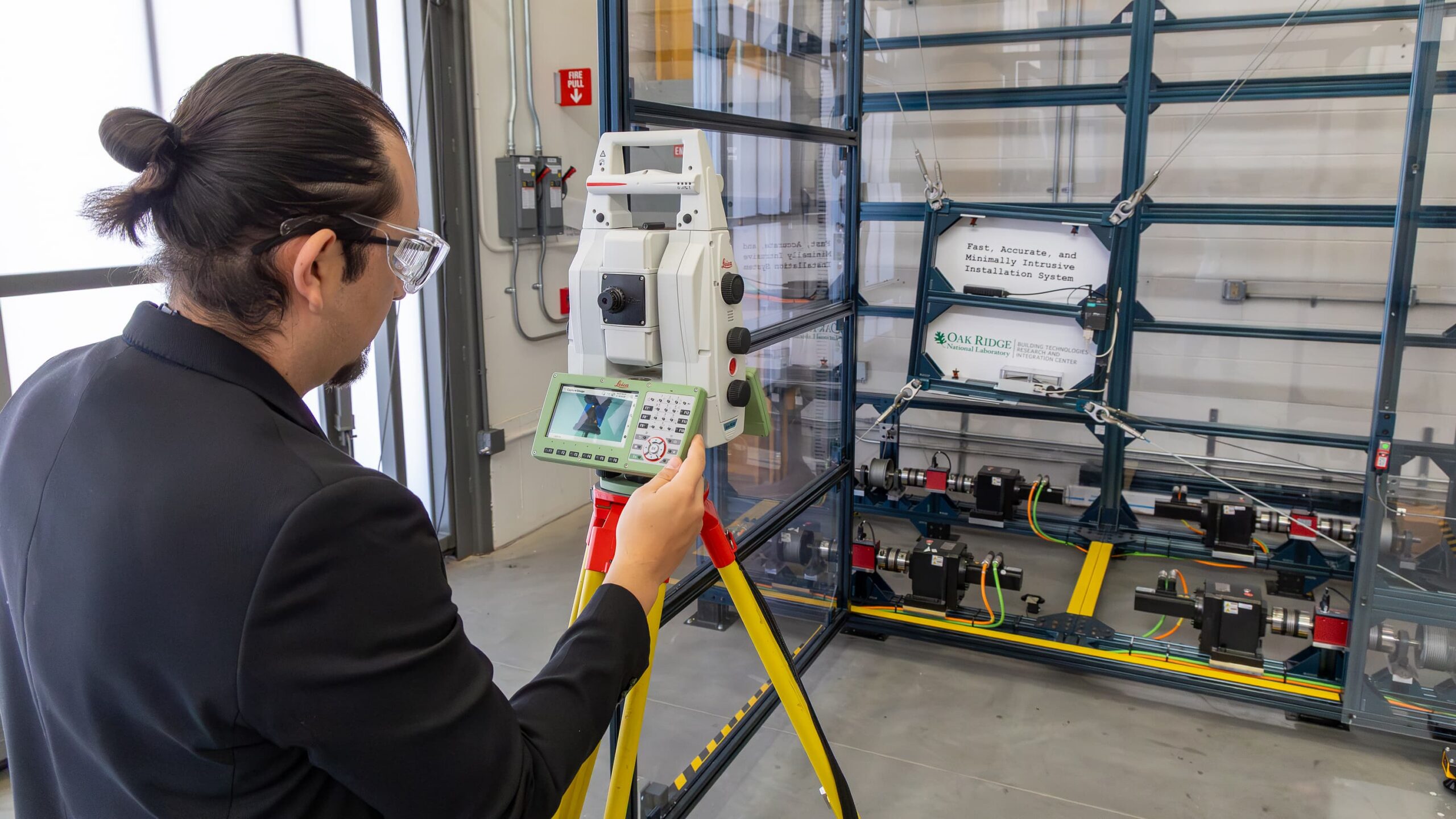
Building Technologies Research and Integration Center
BTRIC brings together building science laboratories and flexible research platforms for developing and evaluating materials, envelopes, equipment, controls, energy storage and whole-building systems under realistic conditions.

Manufacturing Demonstration Facility
MDF supports development of lightweight materials, electric-motor components, power electronics, batteries and advanced manufacturing methods for next-generation transportation systems.
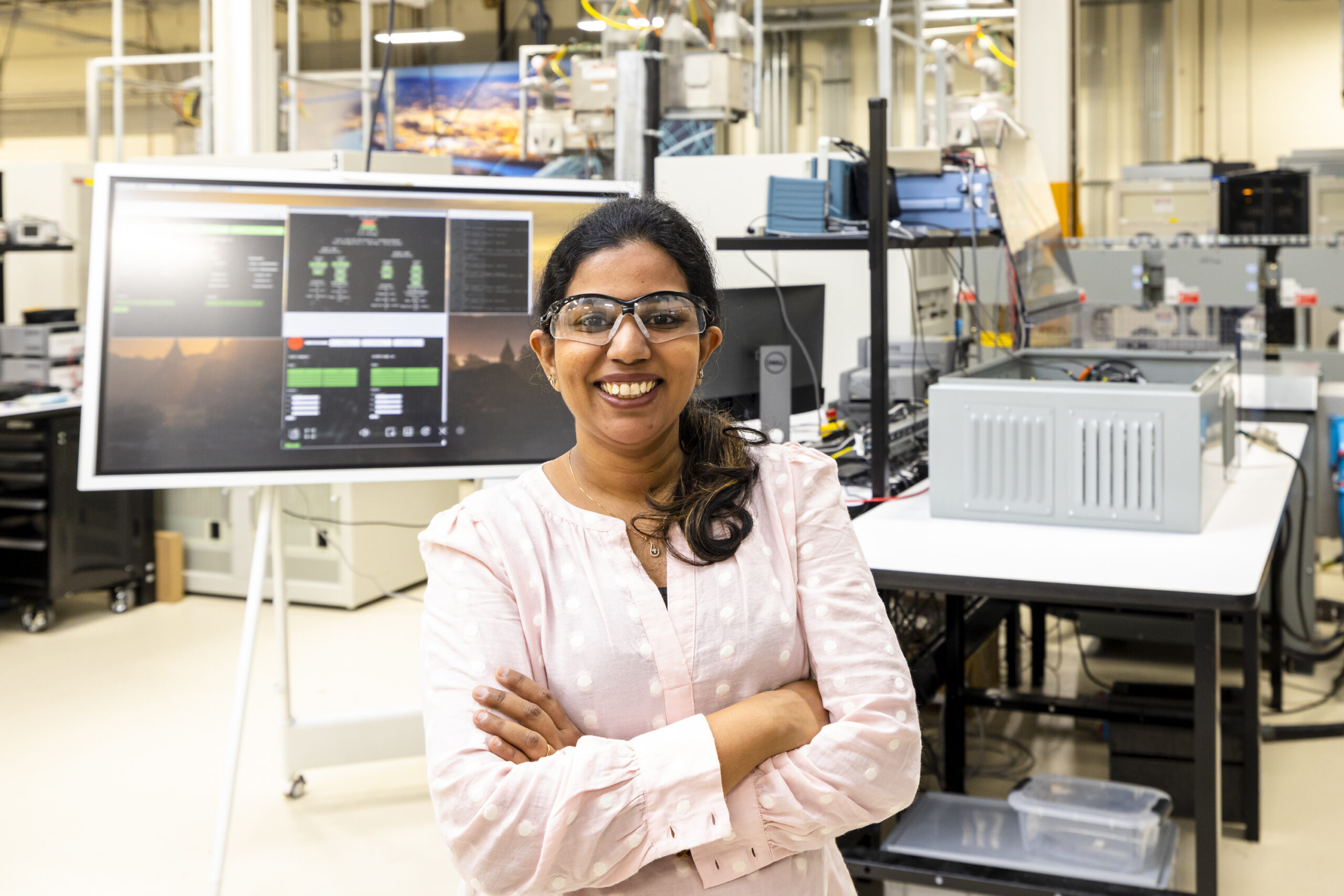
Grid Research Innovation and Development Center
GRID-C enables researchers to evaluate the interaction among vehicles, charging systems, fleet loads, distributed energy resources and the U.S. electric grid under realistic operating conditions.

Spallation Neutron Source
SNS enables researchers to use neutron beams to study microscopic structures to enable the design of advanced heat exchangers and cooling fluids for next-generation data centers.
ORNL strengthens building energy systems by …
- Advancing the science of heat, air and moisture movement through buildings
- Developing envelopes that improve performance and protection under changing conditions
- Creating next-generation advanced refrigerants and heating and cooling systems
- Integrating thermal energy storage, flexible loads and dynamic façades
- Applying AI to forecast demand, detect faults and control building systems
- Connecting building energy models and physical test beds through digital twins
- Coordinating buildings with the U.S. electric grid to reduce peak demand and improve reliability
- Developing automated, additive and modular methods for industrialized building construction
- Making retrofit solutions faster, less disruptive and more affordable to install
- Validating components and whole-building systems under realistic operating conditions
RTE and FLAT: Accelerating the pace of construction
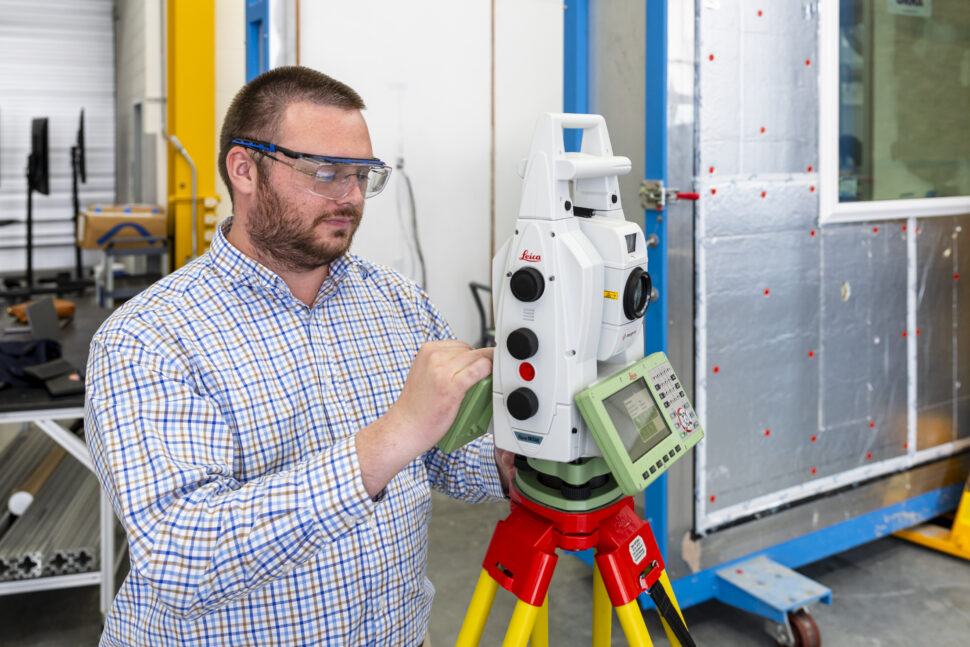
ORNL is developing AI-enabled tools that help construction teams install components more accurately and identify problems before they become expensive to correct. The Real-Time Evaluator and Flat and Level Analysis Tool combine digital models, laser scanning and automated analysis to provide rapid feedback at construction sites.
The Real-Time Evaluator, or RTE, uses advanced software, surveying equipment and 3D digital models known as digital twins to guide the placement of prefabricated building components.
A 3D scanner maps a building frame and creates a virtual model in minutes. RTE compares the installed components with that model, detects incorrect placement and quickly provides feedback to construction teams. This enables components to be evaluated during assembly, reducing reliance on end-of-project placement inspections. RTE can help lower installation costs and improve building performance by reducing manual measurements and supporting the accurate installation of airtight and watertight envelope systems. ORNL has demonstrated the technology during the placement of large concrete panels at a nuclear facility and a multilevel commercial building in Alabama.
The Flat and Level Analysis Tool, or FLAT, accelerates the evaluation of concrete foundations. A laser scanner captures a 360-degree view of the foundation, and machine learning algorithms developed by ORNL process the data to identify uneven areas and their precise locations before the concrete fully hardens. FLAT can reduce foundation measurement time by more than 90% compared with traditional manual methods. By identifying errors early, the tool can also reduce total foundation construction time by up to 25% and help prevent costly corrections after the concrete hardens. Unlike manual methods that evaluate selected areas, FLAT can detect small variations across the entire poured surface. ORNL has demonstrated the technology at a multifamily construction site in Tennessee.