Understanding Interactions between Terrestrial and Aquatic Ecosystems
Scientists in the Earth System Science section at Oak Ridge National Laboratory advance scientific knowledge about how terrestrial and aquatic ecosystems interact, exchanging essential elements such as carbon, water, nutrients, and trace elements. Researchers in this section investigate complex ecological processes occurring across multiple scales of space and time, from microscopic interactions in soil to large-scale watershed dynamics.
A primary research goal is to uncover the detailed mechanisms by which plants, soil microorganisms and environmental conditions collectively shape ecosystem functions. By employing state-of-the-art experimental techniques, sophisticated modeling frameworks, and cutting-edge analytical methods, scientists gain deeper insights into ecosystem responses and dynamics. These investigations enable better predictions of ecological shifts and help develop effective strategies for ecosystem management and conservation.

Understanding Ecosystems
A primary research goal is to uncover the detailed mechanisms by which plants, soil microorganisms and environmental conditions collectively shape ecosystem functions. By employing state-of-the-art experimental techniques, sophisticated modeling frameworks, and cutting-edge analytical methods, scientists gain deeper insights into ecosystem responses and dynamics. These investigations enable better predictions of ecological shifts and help develop effective strategies for ecosystem management and conservation.
Research and Field Work
Research efforts place significant emphasis on understanding biogeochemical cycles — how trace elements, nutrients, and contaminants move and transform within and between ecosystems. Through innovative observational and manipulative experiments, researchers explore how these biogeochemical processes influence broader environmental patterns and responses. Their work is crucial for predicting environmental impacts, especially related to contaminants and nutrients affecting ecosystem health and productivity.
Modeling and Predicting Behavior
Scientists are also advancing predictive capabilities by developing comprehensive Earth system models. These sophisticated simulations incorporate physical, biological, ecological, and human system interactions. Integrated modeling approaches specifically address watershed hydrology, allowing researchers to precisely simulate how water, nutrients, carbon, and contaminants move within watersheds. These capabilities provide science-based predictions that can inform decision makers about key issues, such as water availability, optimal siting for new energy infrastructure, and environmental management strategies for digital twins.
Answering Big Questions
Large-scale ecosystem manipulation experiments and long-term observational studies provide foundational data for these models. By actively altering ecosystem conditions in controlled experiments, scientists can test theories and refine predictions regarding how ecosystems respond to change. This approach has yielded unprecedented insights into ecosystem resilience, adaptation, and potential management practices to achieve a variety of goals.
“Our researchers build predictive capabilities to inform decision-making about water availability, energy security, and infrastructure resilience.”
Peter Thornton
Environmental Sciences Division Director

Biogeochemical Dynamics
Delivering a predictive understanding of the processes that govern the fate and transformation of trace elements, nutrients, and contaminants in terrestrial and aquatic ecosystems over a broad range of spatiotemporal scales.
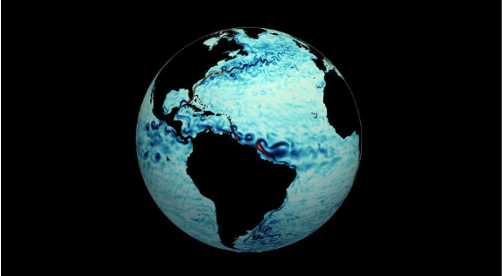
Earth Systems Modeling
Developing a predictive understanding of interactions among Earth’s physical, biological, ecological, and human systems, with a focus on numerical simulation and quantitative analysis of coupled Earth systems.
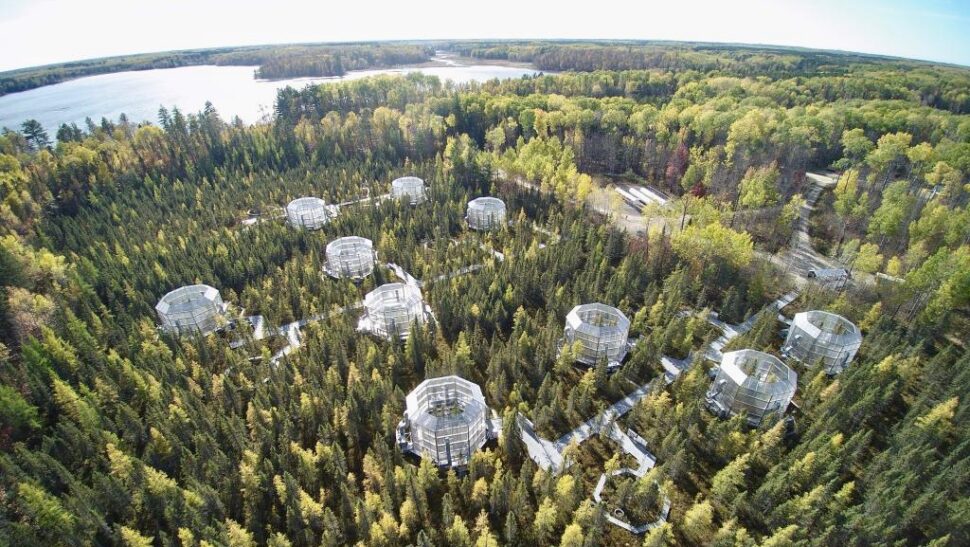
Ecosystem Processes
Advancing mechanistic understanding of the spatial and temporal dynamics of Earth’s vital and changing ecosystems by using unprecedented ecosystem-scale manipulation experiments, observations, and integrated modeling..
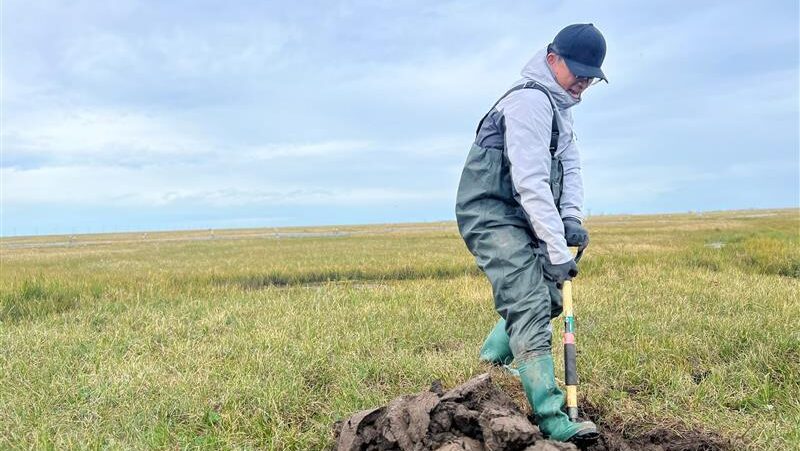
Plant-Soil Interactions
Advancing a deeper understanding of how plants, soil microorganisms, and their surrounding environment drive important ecosystem functions.
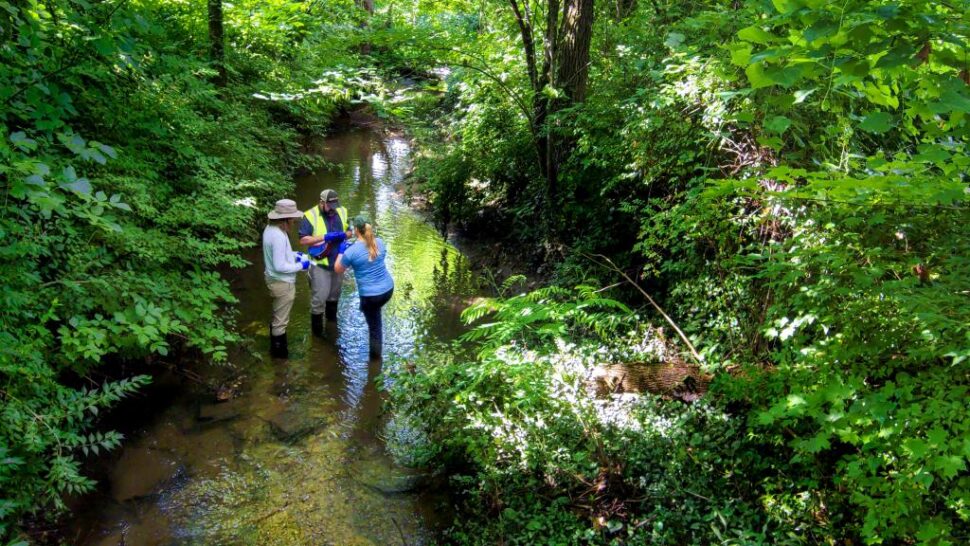
Watershed Systems Modeling
Developing high-resolution integrated models for water movement and the associated transport and transformation of waterborne carbon, nutrients, and contaminants in watersheds.
Contact