Each year, more than 3,200 scientists from universities, laboratories and private industry around the world conduct experiments at ORNL’s scientific facilities. ORNL offers a diverse set of tools for experiments across a range of fields, including biology, materials and energy sciences, physics, engineering, and chemistry.
Access to ORNL facilities is through the review and approval of user proposals, and depends on the scientific merit, suitability of the user facilities, and the appropriateness of the work to DOE objectives.
Scientific User Facilities

Center for Nanophase Materials Sciences
The Center for Nanophase Materials Sciences offers the national and international user community access to staff expertise and state-of-the-art equipment for a broad range of nanoscience research, including nanomaterials synthesis, nanofabrication; imaging, microscopy and characterization; and theory, modeling and simulation.

High Flux Isotope Reactor
HFIR’s steady-state neutron beam is the strongest reactor-based neutron source in the United States. The thermal and cold neutrons produced by HFIR are used to study physics, chemistry, materials science, engineering, and biology.
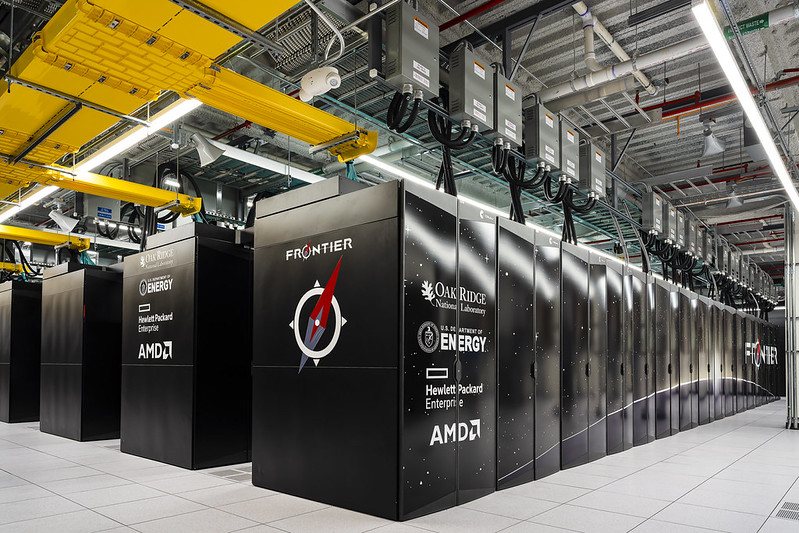
Oak Ridge Leadership Computing Facility
The Oak Ridge Leadership Computing Facility is charged with helping researchers solve some of the world’s most challenging scientific problems with a combination of world-class high-performance computing resources and world-class expertise in scientific computing.
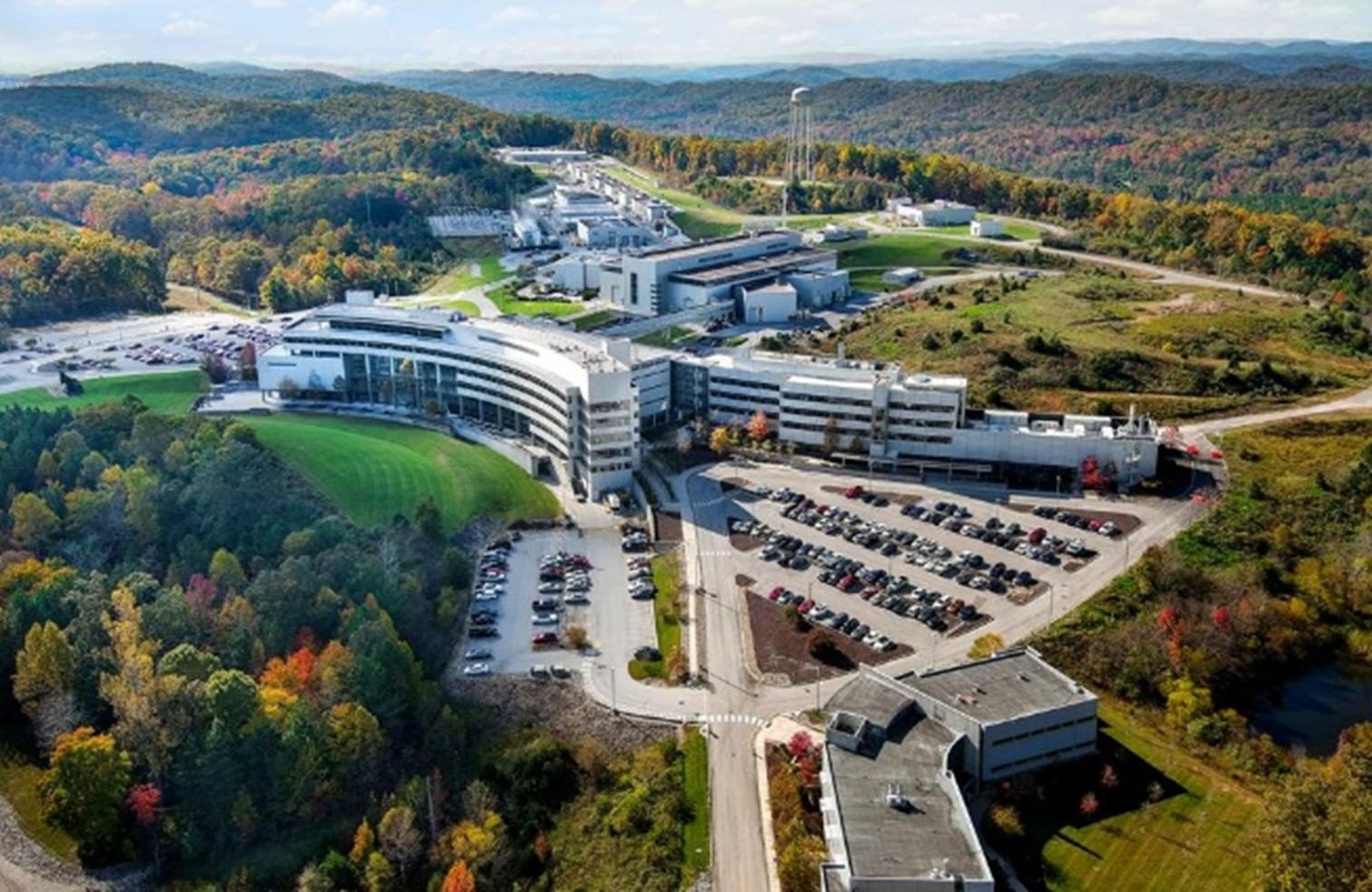
Spallation Neutron Source
Neutrons produced at SNS and the facility’s state-of-the-art instruments provide a variety of capabilities to researchers across a broad range of disciplines, such as physics, chemistry, biology, and materials science.
Applied Energy Facilities

Building Technologies Research and Integration Center
The Building Technologies Research and Integration Center, established in 1993, is the Department of Energy’s only designated user facility dedicated to performing early-stage research and development in building technologies.

Carbon Fiber Technology Facility
The Carbon Fiber Technology Facility (CFTF), established in 2013, is the Department of Energy’s only designated user facility for carbon fiber innovation. The CFTF, a 42,000 sq. ft. facility, provides a platform for identifying high potential, low-cost raw materials, including textile, lignin, polymer, and hydrocarbon-based precursors.

Manufacturing Demonstration Facility
The Manufacturing Demonstration Facility is the nation’s flagship facility and innovation network for the design, development, and demonstration of scaled up advanced manufacturing platforms and technologies for industry.
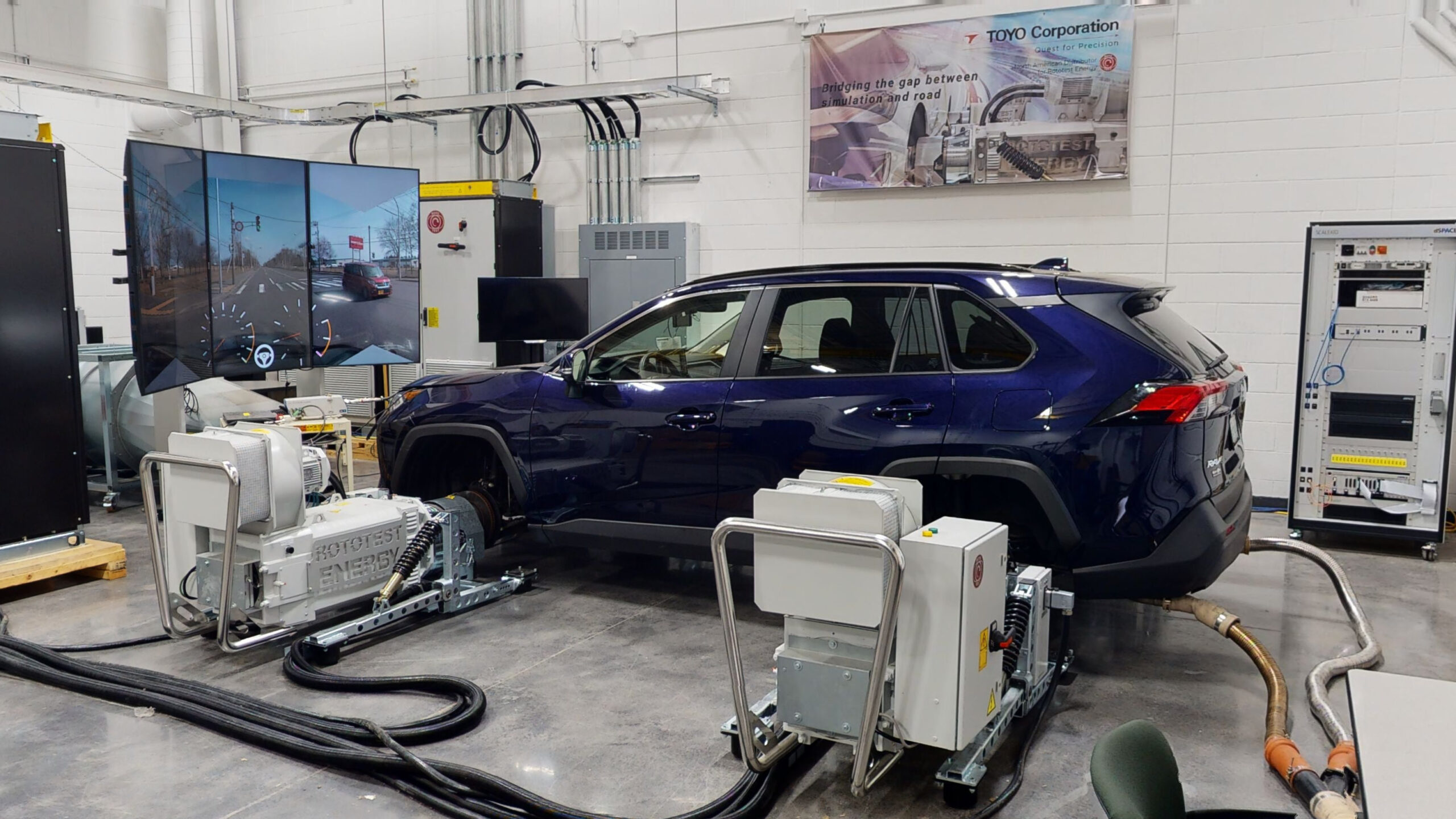
National Transportation Research Center
The National Transportation Research Center, established in 2000, is the Department of Energy’s only designated user facility focused on performing early-stage research and development in transportation technologies.
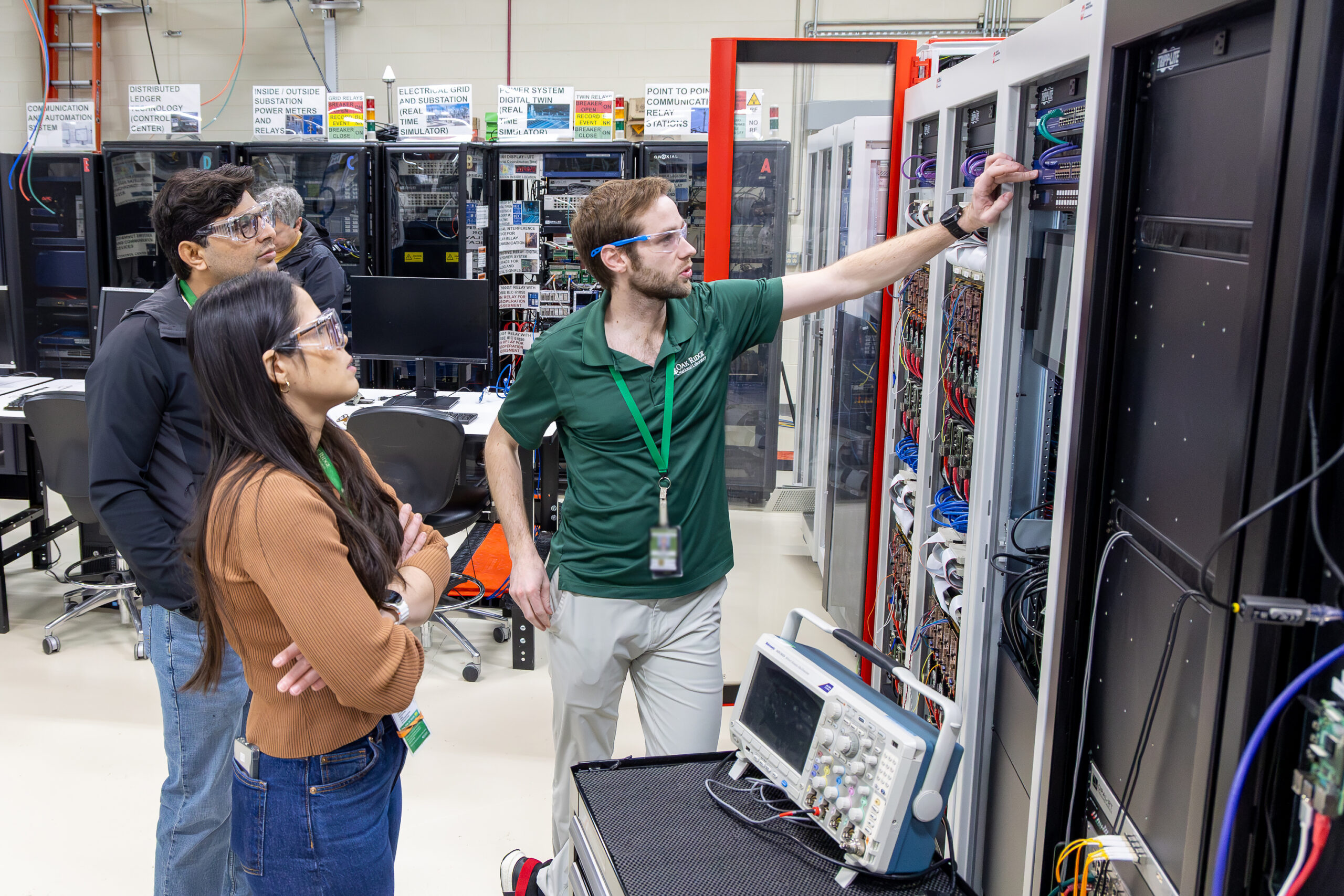
Grid Research Innovation and Development Center
The Grid Research Innovation and Development Center is transforming the future of grid research with a spectrum of facilities, expertise and resources, enabling breakthroughs to support affordable and abundant energy and a reliable and secure grid.
User Agreements
A user agreement, which can be nonproprietary or proprietary, serves as the “master” agreement which establishes the general terms and conditions, including disposition of intellectual property, for work at any of ORNL’s user facilities. For use that will generate proprietary output or that will require any cost reimbursement, an additional project-specific document must also be executed in advance.
Sample Agreements
Non-Proprietary – appropriate when 1) All research will be non-proprietary research that advances the user’s area of interest, rather than toward producing a commercial end result (e.g., a marketable product); 2) the user intends to publish the research results in the open scientific literature; and 3) the user does not require a proprietary level of protection for any of the output. The user may use proprietary data or software in the performance of the project, as long as all the project output is non-proprietary.
Proprietary – requires full cost recovery because the user does not intend to disseminate the results of the research to the public.
Appendix A – a simple document executed in conjunction with a Proprietary User Agreement. It authorizes use of the specific User Facility or Facilities for a defined duration and serves as an advance-payment invoice. Advance payment is required prior to initiation of work.
User Agreement for a Federal Agency – appropriate when the user organization is a federal agency. This specialized agreement does not include the Indemnity and Liability provisions, and it clarifies Intellectual Property ownership.