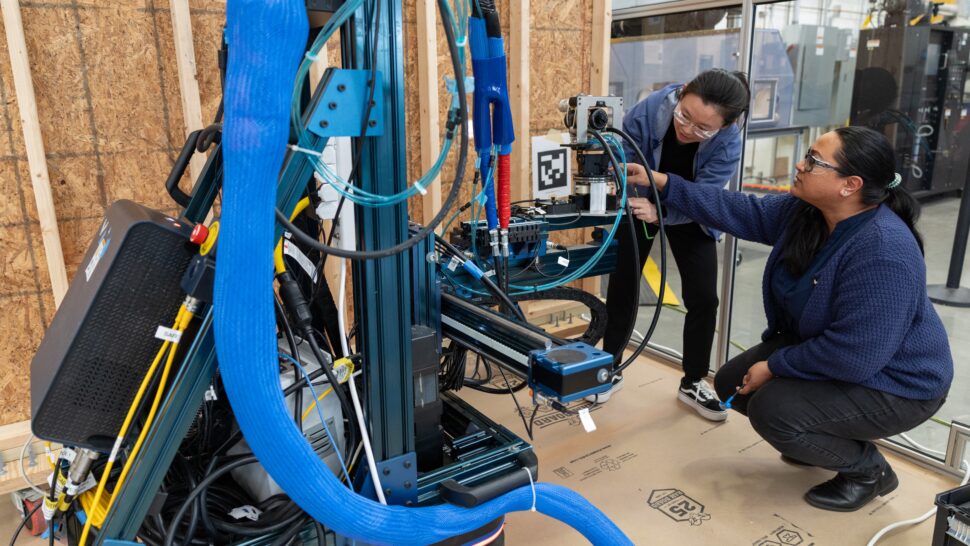
Advancing Building Technologies
The Department of Energy’s only designated user facility dedicated to performing early-stage research and development in building technologies
The Building Technologies Research and Integration Center (BTRIC), established in 1993, is the Department of Energy’s only designated user facility dedicated to performing early-stage research and development in building technologies. With the aim of improving the energy efficiency and environmental compatibility of residential and commercial buildings, research focuses on building envelopes, equipment, building systems integration, energy storage and building-to-grid interactions, sensors, transactive controls, and data modeling and simulation.
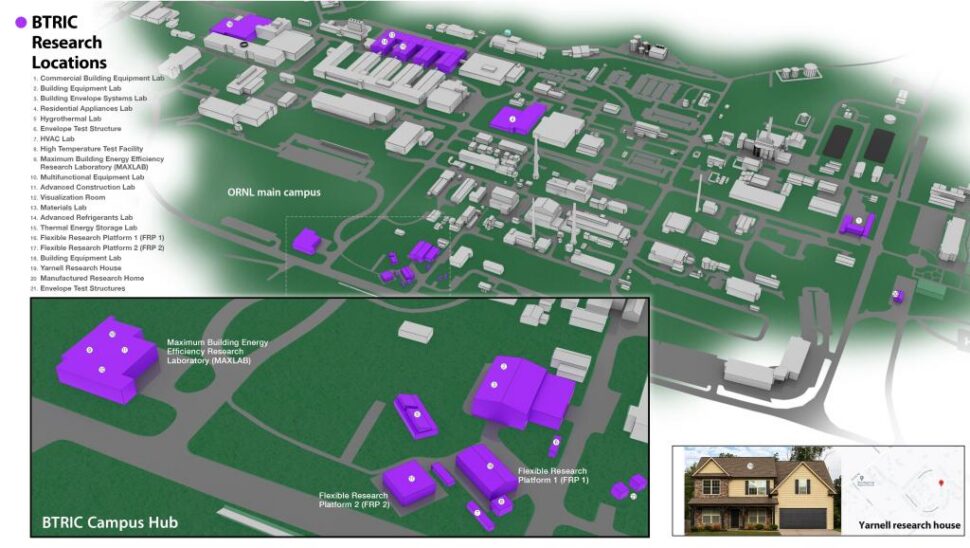
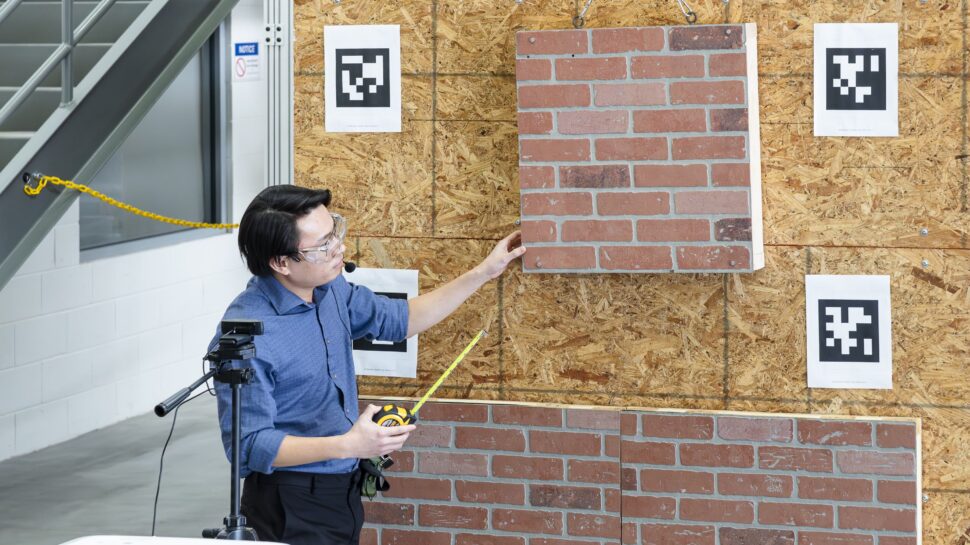
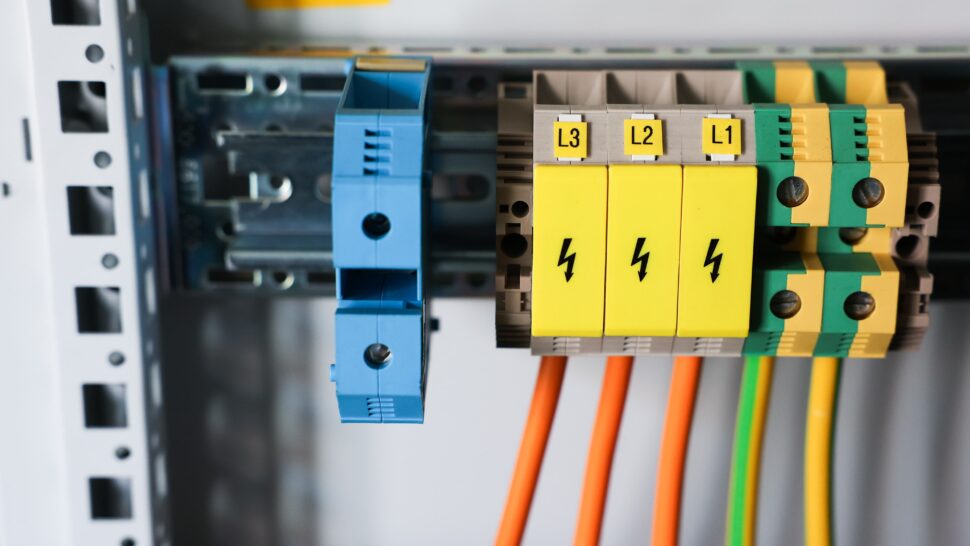

The BTRIC is a 60,000 sq. ft. research campus and includes the flagship Maximum Building Energy Efficiency Research Laboratory (MAXLAB), a multipurpose laboratory to advance the energy efficiency and durability of building envelopes (e.g., large-scale wall assemblies), equipment, and appliances.
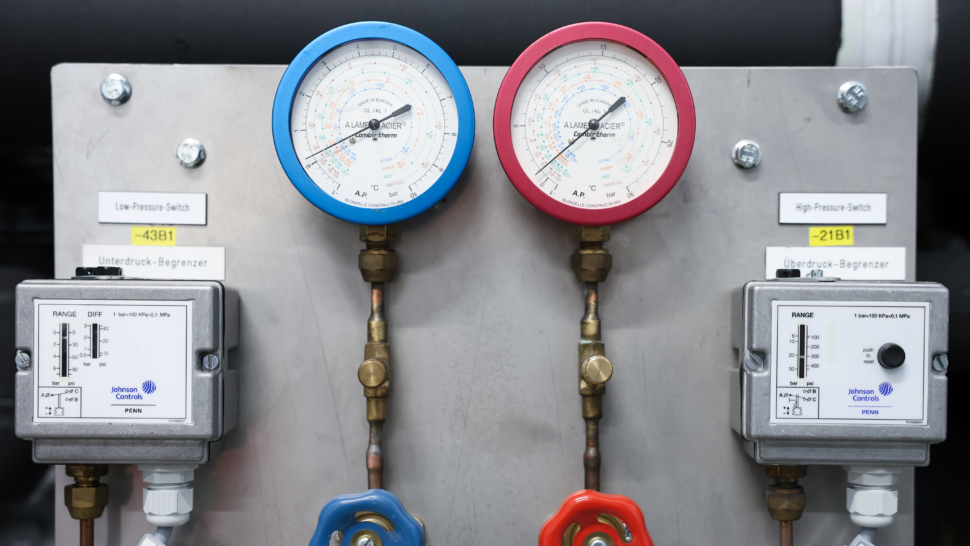
Envelope and equipment laboratories provide a range of test chambers and capabilities for developing new components that are more resistant to heat flow, airtight, and moisture durable than existing technologies. Flexible research platforms offer the opportunity to plug and play, placing technologies into real-world, highly instrumented buildings for evaluation. From benchtop wind tunnels to computational fluid dynamics modeling to large-scale environmental chambers, BTRIC provides a range of capabilities to advance building technologies.

Advanced Manufacturing
Leveraging multidisciplinary expertise and exploring new ways to integrate advanced manufacturing into building envelope design such as 3D printing for precast concrete molds, proving to be more durable than conventional wood molds.
Transactive Controls
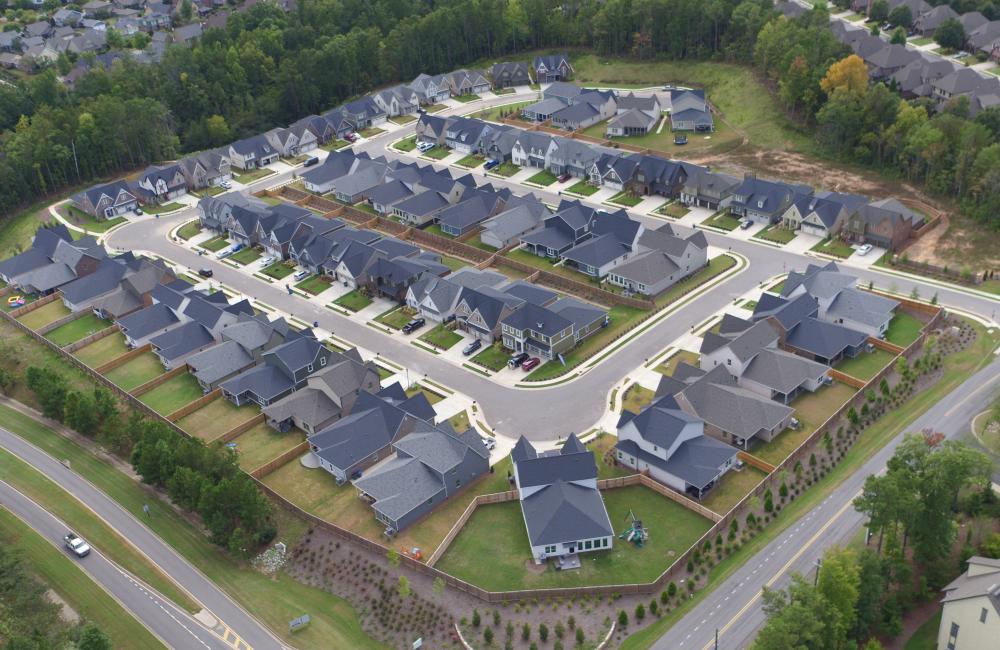
Improving energy efficiency by developing new building technologies, whole-building community integration, creating software that leverages data from Internet-connected residential HVAC units and water heaters to enhance energy management in buildings.
Computational Science
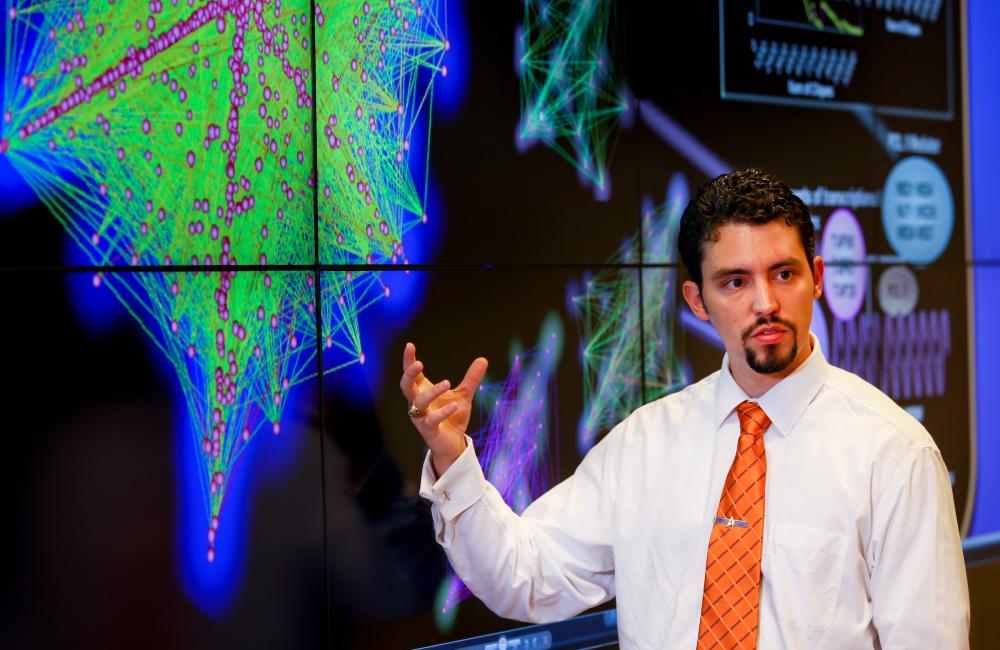
Utilizing the most powerful supercomputing systems in the world to build web visualization tools, showing energy use intensity, providing accurate simulations, helping meet energy reduction and consumption goals.
Emerging Materials
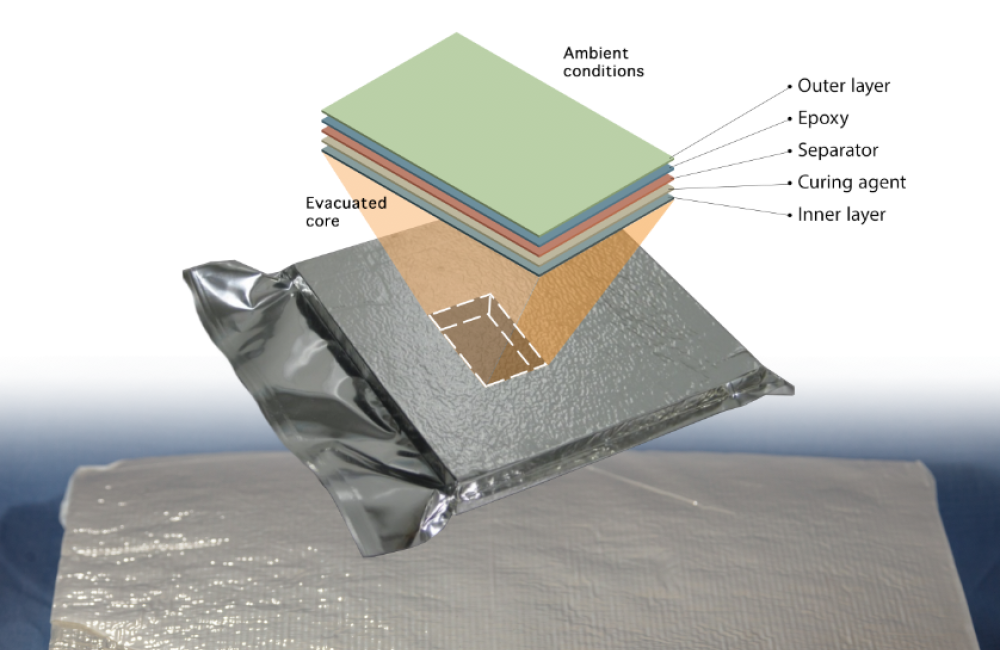
Investigating emerging materials, components and systems, understanding heat, air and moisture transfer, looking at ways to use a building’s envelope as a filter to store or reject solar radiation, eliminating unwanted heat and air flow.
Thermal Solutions
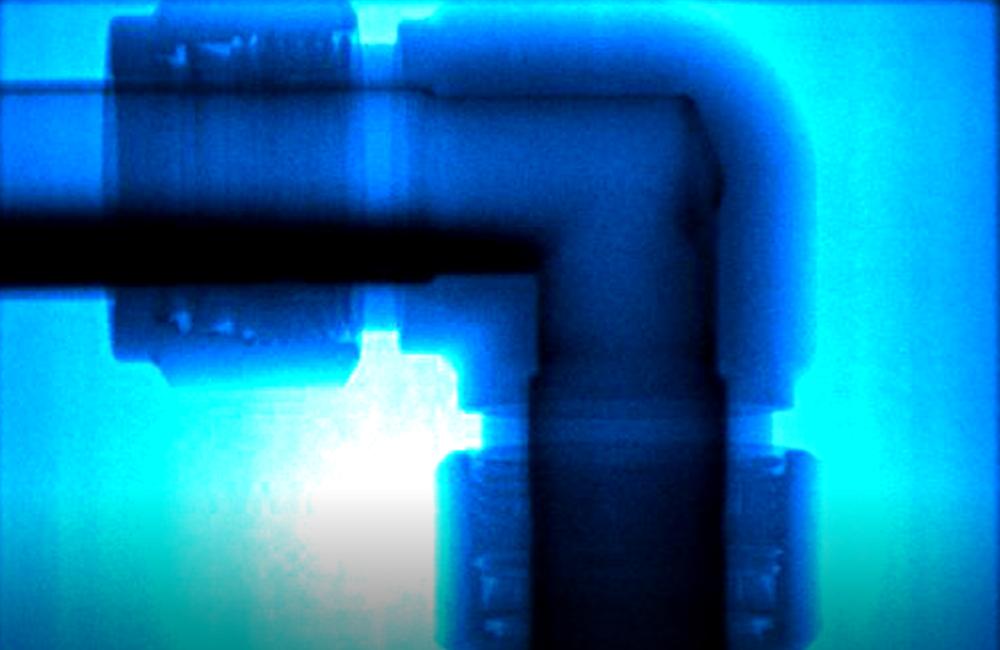
Deploying neutrons to gain a deeper understanding of the structure of novel materials in heat exchangers, characterizing refrigerant flow and phase change process for the development of thermal solutions.

Energy Storage
Providing low-cost, high round trip efficiency energy storage technology for buildings and modular pump storage hydro applications.
BTRIC by the Numbers
55 R&D Partners
56 active CRADAs
18 university partners
5,914 visitors since 2012
108 Publications in FY26
24 R&D 100 awards
6 strategic partnerships & UAs
42 ASHRAE awards