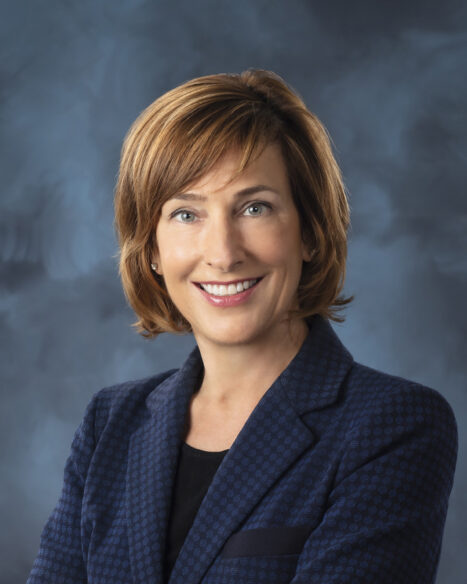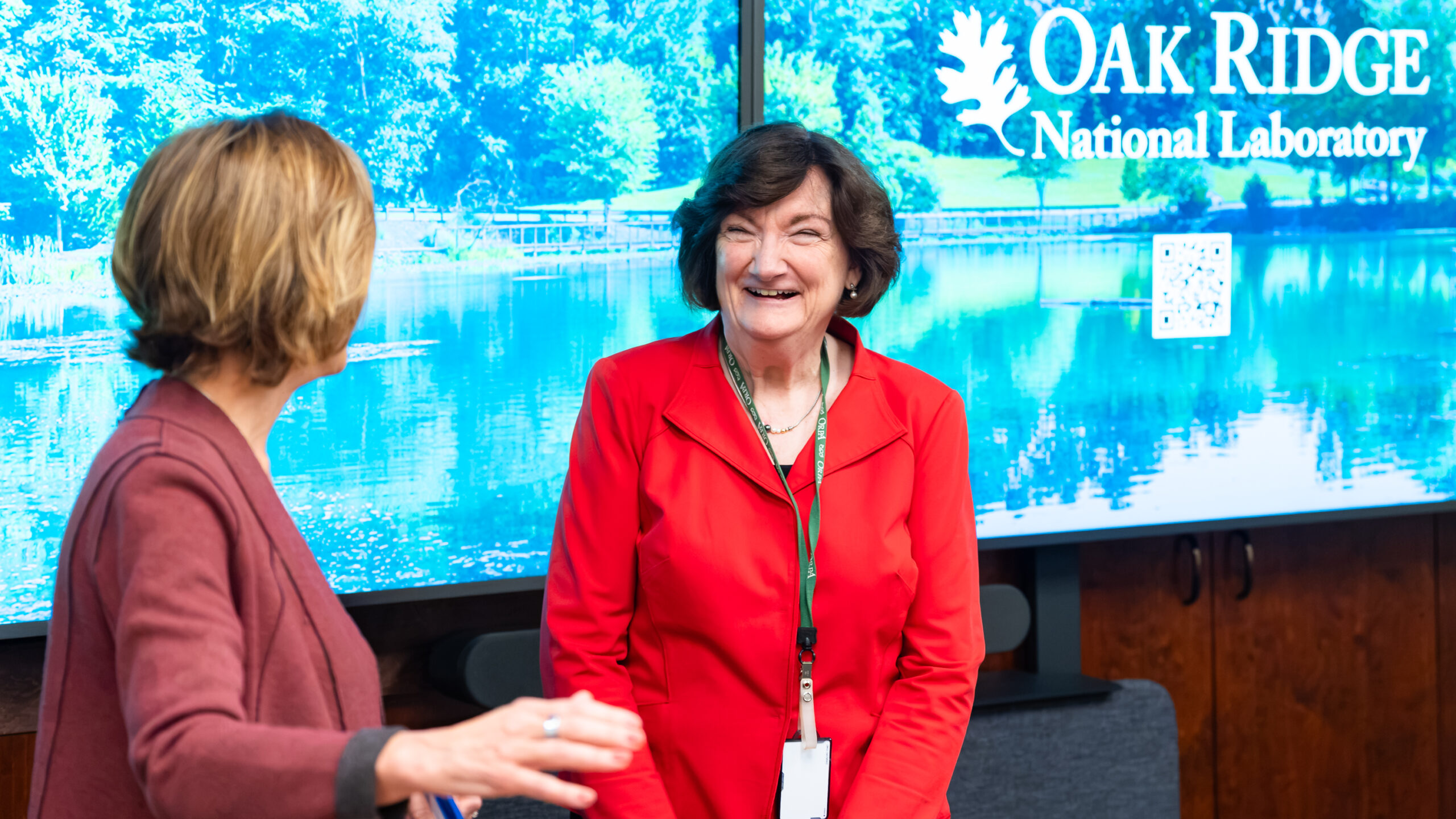
Michelle Buchanan, a former deputy for science and technology at the Department of Energy’s (DOE’s) Oak Ridge National Laboratory (ORNL), has retired from ORNL. She continues to work part-time as a senior technical advisor in DOE’s Office of Science. Her impact on ORNL, DOE and the nation over nearly five decades of service includes scientific accomplishment, mentorship, institution building and leadership that defined basic research needs in key energy-related areas.
“We celebrate Michelle’s remarkable career, including the scientific innovation she advanced and her lasting influence on the teams and programs she led and supported,” said ORNL Director Stephen Streiffer. “A dedicated champion for talented scientists and a thoughtful steward of world-class facilities, Michelle created an environment where ambitious ideas could take shape and researchers and students could do their best work.”
Buchanan joined ORNL in 1978 after earning her bachelor’s degree in chemistry from the University of Kansas and doctorate in analytical chemistry from the University of Wisconsin.
Over the years, her scientific rigor and strategic vision helped position ORNL to tackle complex national challenges that demanded not only a strong technical background, but also coordination across scientific fields. She began by leading ORNL’s Organic and Biological Mass Spectrometry Group in the Chemical and Analytical Sciences Division (now the Chemical Sciences Division) from 1986 to 1999. Other ORNL leadership roles followed: associate director of the Life Sciences Division, director of the Center for Structural Molecular Biology, director of the Chemical Sciences Division and associate laboratory director for physical sciences.

During more than a decade leading ORNL’s Physical Sciences Directorate, she guided a period of major growth in which chemistry, materials science, nanoscience, physics and isotopes deepened connections to neutron science, computing and energy research. Access to large-scale Office of Science user facilities, such as ORNL’s Center for Nanophase Materials Sciences, supported these new opportunities for collaboration.
“Michelle displayed a long-standing ability to see where the science was headed and help ORNL get there first,” said Cynthia Jenks, ORNL’s current associate laboratory director for physical sciences.
Important to ensuring ORNL’s success were Buchanan’s efforts to mentor staff scientists over the years. To support a premier workforce at the nation’s largest multidisciplinary laboratory for science and energy research, she pioneered a series of tutorials on both preparing peer-reviewed proposals and reviewing them. She led sessions to train group leaders, emphasizing “giving back” to other staff members. She also encouraged participating in the larger scientific community through service to journals and professional societies.
In 2017, Buchanan became ORNL’s deputy for science and technology, overseeing portfolios of research and development that encompassed physical sciences, energy and engineering sciences, computing and computational sciences, biological and environmental sciences, neutron sciences and global security. In that role, she helped steward the laboratory’s scientific direction at a time when cross-cutting research was becoming more central to DOE’s mission to ensure America’s security and prosperity by addressing its energy, environmental and nuclear challenges through transformative science and technology solutions.
“Michelle brought to that role deep expertise that was instrumental as the lab evolved into a broadly integrated research institution with national reach,” said Susan Hubbard, ORNL’s current deputy for science and technology.
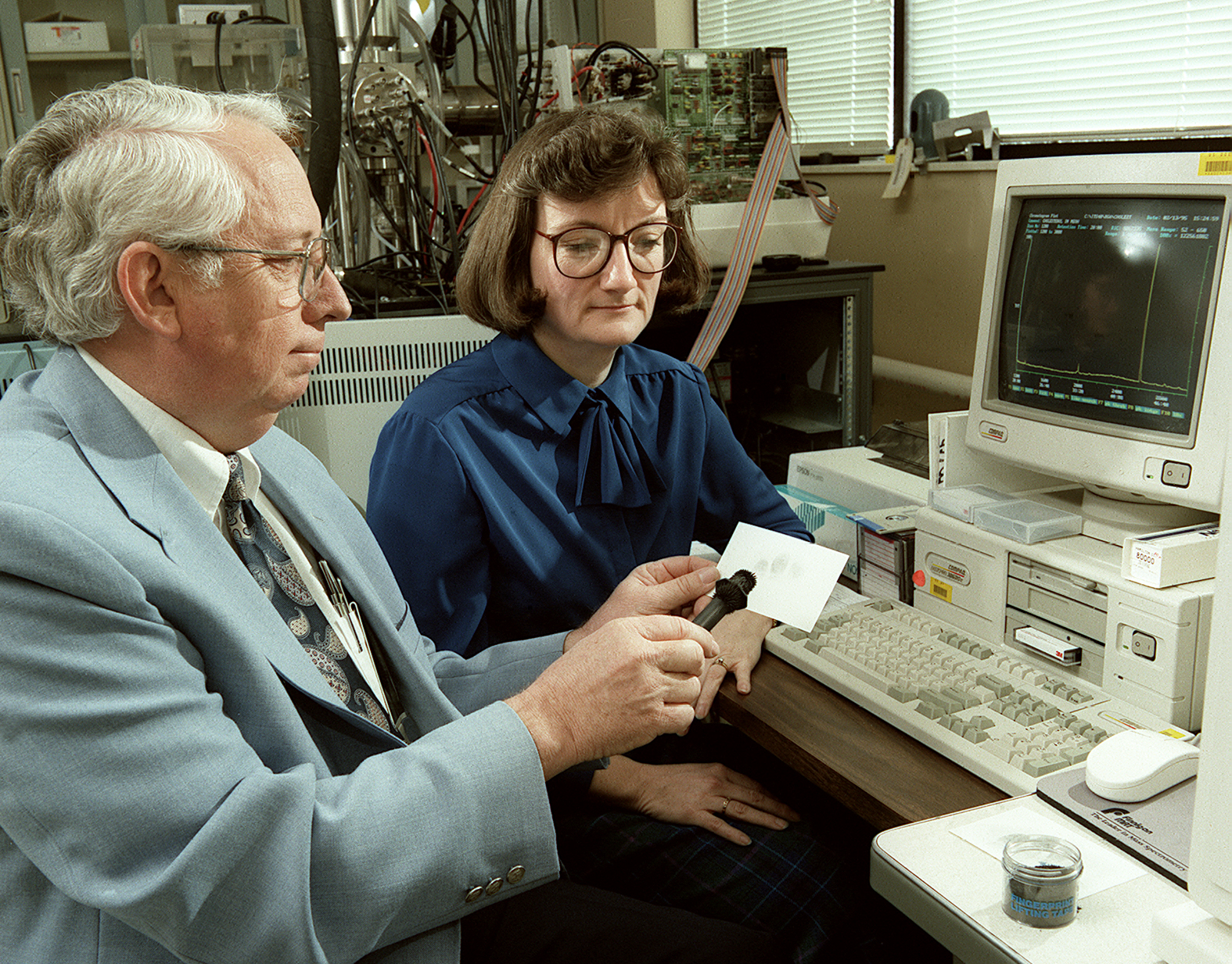
Buchanan is the author or co-author of more than 150 scientific publications and technical reports and holds two patents. She edited a mass spectrometry book and served on editorial boards of several journals.
Her impact has been recognized through numerous honors, including an R&D 100 award, two UT-Battelle awards for R&D leadership, three ORNL technical achievement awards and the Knoxville Young Women’s Christian Association Tribute to Women award in science and technology.
Buchanan is a Fellow of the American Chemical Society and the American Association for the Advancement of Science. She has held leadership roles across the scientific community, including service on advisory boards for several universities and research centers.
In 2021, Buchanan brought her talents to Washington, extending her influence well beyond a single lab. While still at ORNL, she took a temporary assignment with DOE’s Office of Science, serving as senior technical advisor to Harriet Kung, deputy director for science programs. After retiring from ORNL, she now continues advising Kung part-time. Her service to science endures.
“Throughout her career, Michelle has championed investments that bring innovation, competitiveness and impact to the nation. Her scientific vision and dedication have had a huge impact on ORNL and DOE,” said Kung. “I’m honored that she continues to contribute to American science by using her skills to translate research excellence into enduring programs to meet national needs with the Office of Science.”
UT-Battelle manages ORNL for DOE’s Office of Science, the single largest supporter of basic research in the physical sciences in the United States. The Office of Science is working to address some of the most pressing challenges of our time. For more information, please visit energy.gov/science. — Dawn Levy
Related Researchers