ORNL has released the 2026 edition of the U.S. Hydropower Market Report, providing updated statistics and analysis of trends in conventional hydropower and pumped storage hydropower. The report primarily examines developments through the end of 2025, with selected updates from 2026, in areas including fleet capacity, investment, ownership, licensing, project development, plant performance, electricity markets and the supply chain.
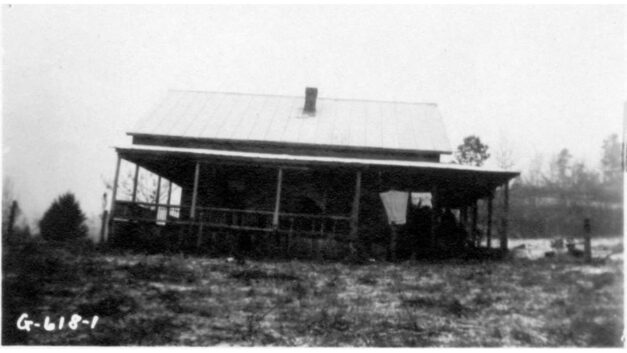
Dolly Parton’s paternal ancestors, George and Cassie Rayfield, lived in the Park City community and are buried at New Bethel Baptist Church cemetery on what is now the Oak Ridge Reservation. Their family’s connection to the area continues through ORNL Fire Chief Daron Long, Parton’s third cousin, who works on the same land where the Rayfields once lived.
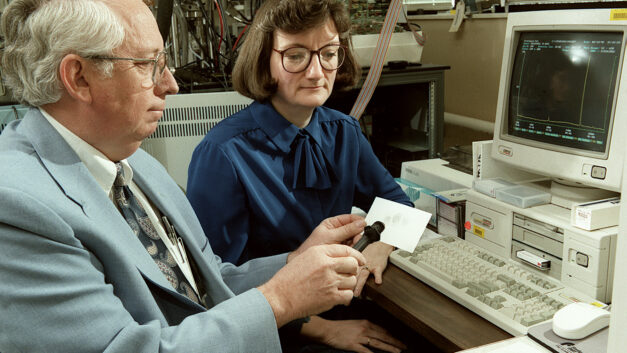
Two transportation researchers at the Department of Energy’s Oak Ridge National Laboratory, Josh Pihl and Derek Splitter, have been named SAE International Fellows, an honor recognizing individuals of exceptional distinction for outstanding and sustained accomplishments in mobility or related engineering.
More than 200 experts from industry, government, academia and national laboratories gathered at the Department of Energy’s Manufacturing Demonstration Facility (MDF) at Oak Ridge National Laboratory in October 2024 to identify opportunities for and challenges to adoption of the technology. Their conclusions, available in a new report, point to a rapidly growing field with the potential to transform advanced manufacturing.
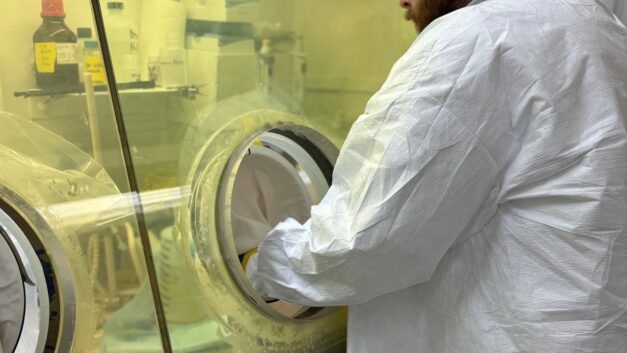
ORNL researchers are improving methods to recover tiny amounts of rare radioisotopes produced during californium-252 production. The more efficient processes increase purity and recovery while reducing workers’ radiation exposure, providing materials for research on the heaviest elements.
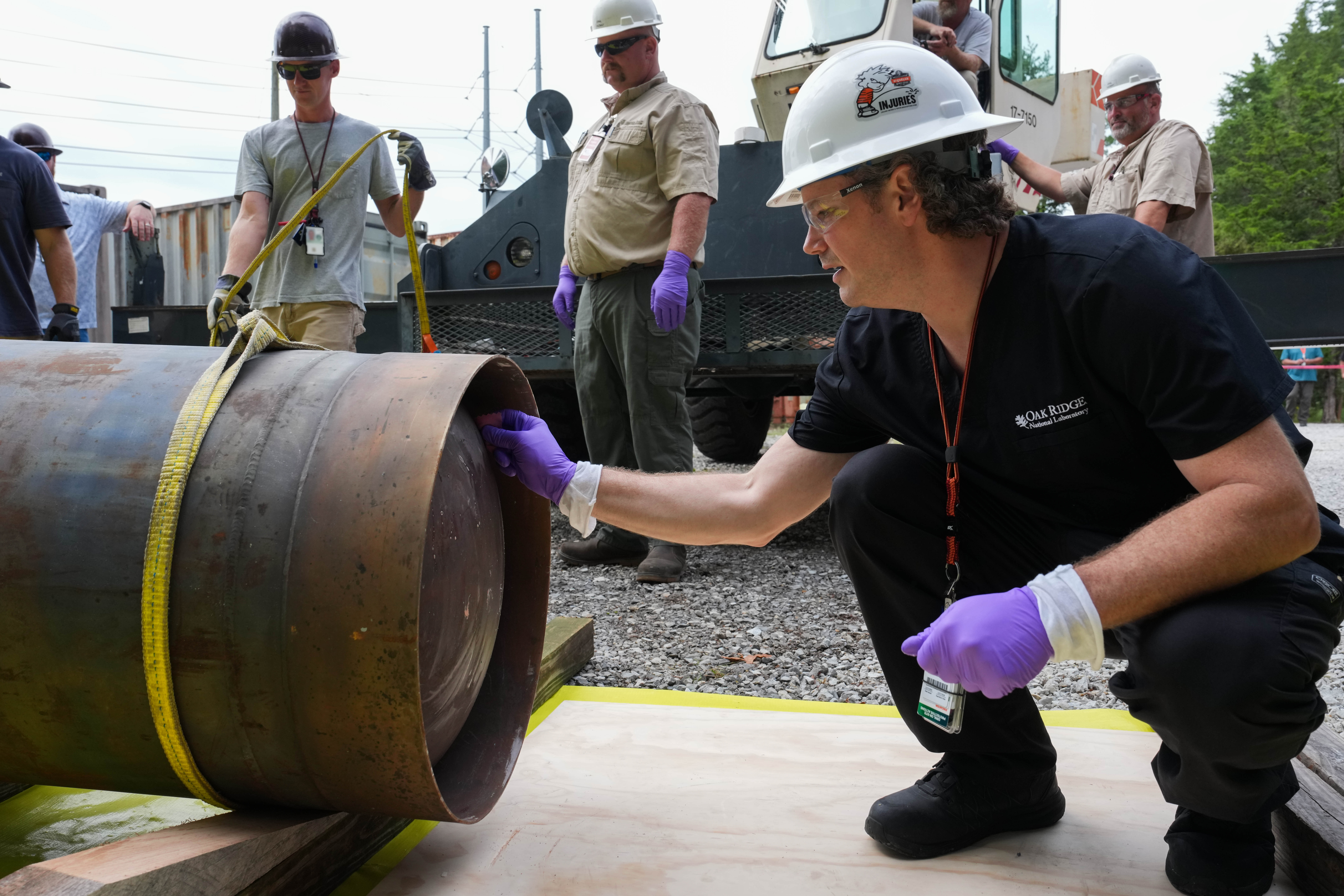
ORNL shipped more than two tons of its historic lithium-7 enriched FLiBe salt to Natura Resources for a new molten salt research reactor in Texas. The transfer will help accelerate development of the first U.S. salt-fueled reactor since ORNL’s Molten Salt Reactor Experiment ended in 1969.
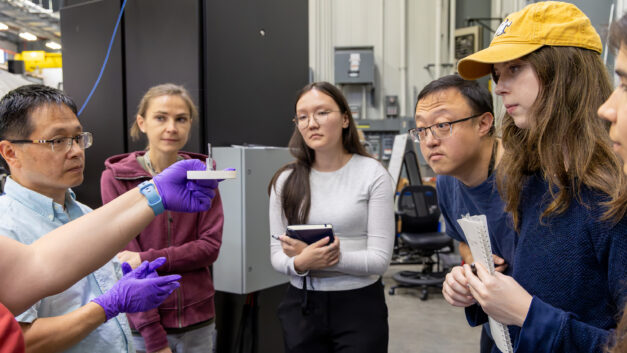
ORNL welcomed 60 graduate students and postdoctoral researchers for its second National Neutron Scattering School at SNS and HFIR. Participants gained hands-on experience with neutron scattering techniques while learning from experts and building connections in the field.
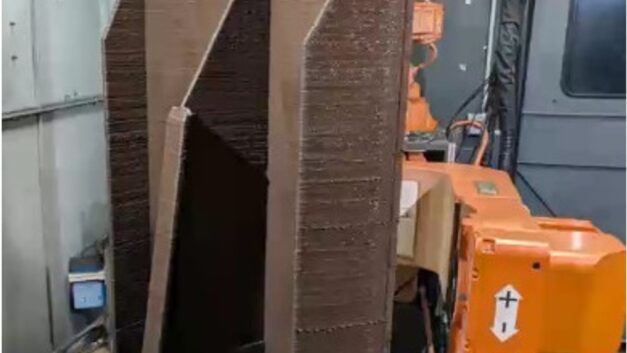
ORNL and Boeing 3D printed a nearly 2-ton metal mold to explore faster, more efficient manufacturing of thermoplastic composite aircraft parts. The project demonstrates how large-scale additive manufacturing could support aerospace and other U.S. industries.
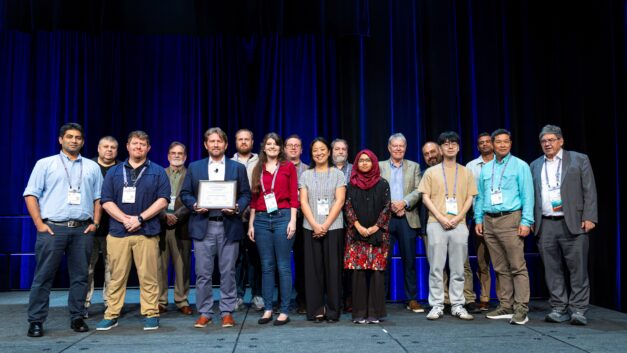
ORNL received the IEEE Quantum Technical Community Distinguished Synergy Award for its collaborative approach to advancing quantum materials, computing, networking and sensing. The award recognizes ORNL’s work bringing together expertise, research facilities and partners to move quantum technologies from scientific discovery toward practical applications.
ORNL researchers are exploring how engineered bacterial spores could capture rare earth elements from acid mine drainage and other waste streams. The SpoREE project combines biology, AI and advanced analysis to develop reusable materials for recovering critical minerals.
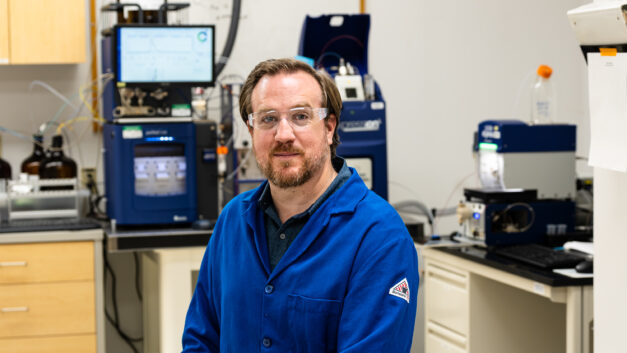
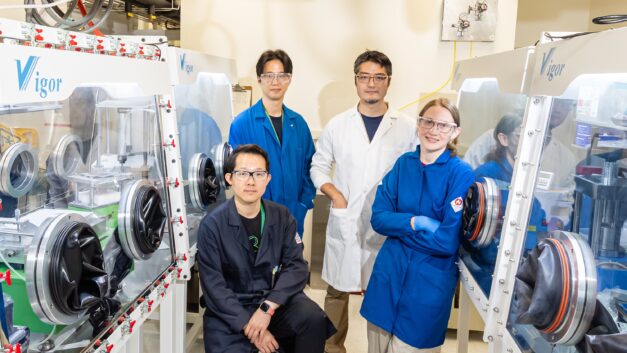
A battery material can meet key performance measures in a small laboratory cell yet fall short when researchers build it into a complete battery cell. At ORNL, researchers in the STAR Lab are tackling that challenge by studying whether new battery technologies can withstand the demands of manufacturing and use.