
Click here for static version.
What if one answer to the supply crisis isn’t buried in a mine shaft, but growing quietly in a field?
For too long, the United States has relied on foreign sources for most of the raw materials powering its technological future, the essential minerals in every smartphone, battery pack and semiconductor.
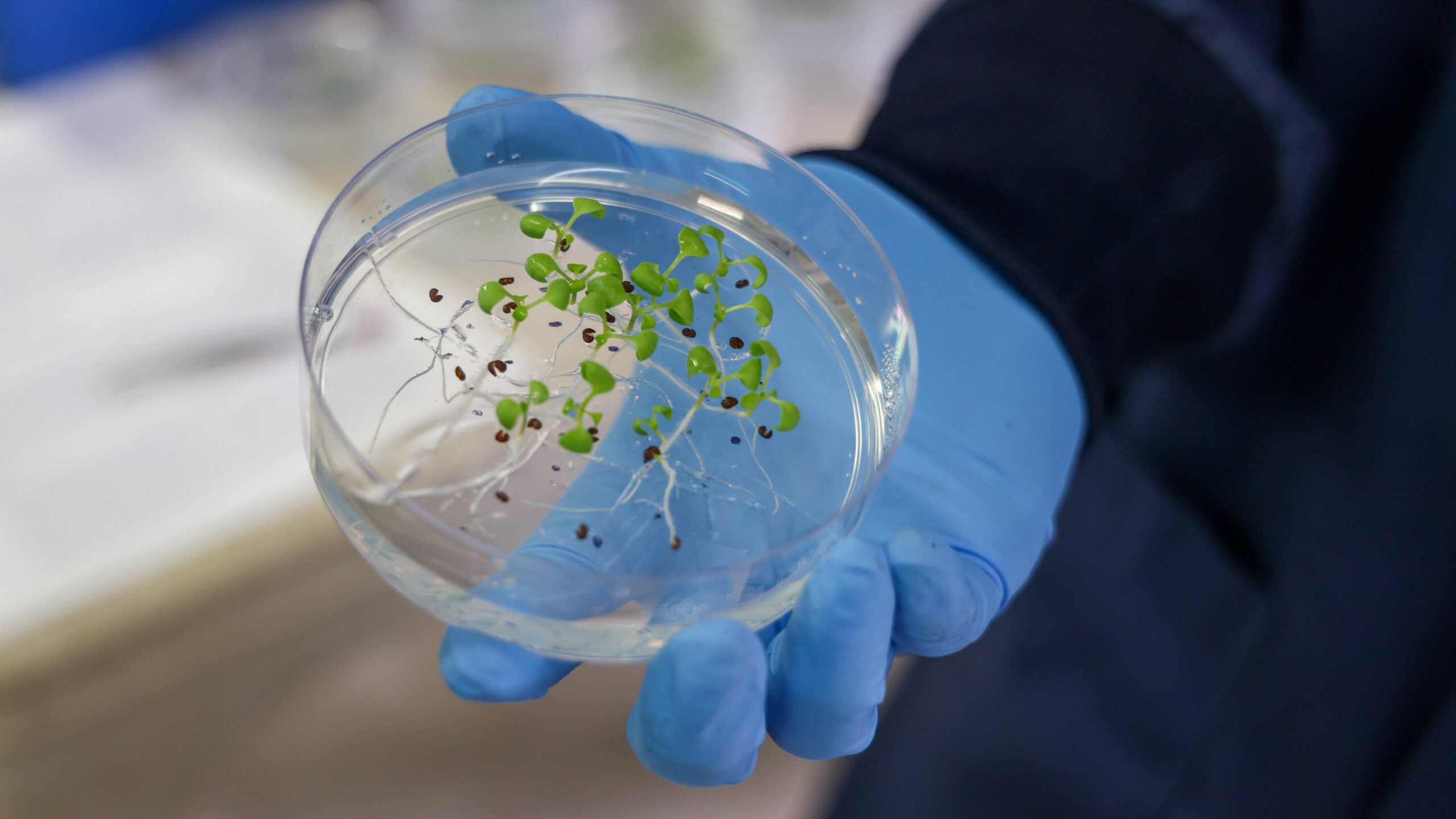
Scientists are betting on a resource-efficient, highly effective strategy: Using engineered plants and symbiotic microbes to absorb critical minerals directly from the Earth in a process called phytomining.
At the Department of Energy’s (DOE) Oak Ridge National Laboratory (ORNL), researchers have created an agentic artificial intelligence system that is proving to be a powerful ally in the race to develop crops that act like living sponges, selectively hyperaccumulating critical minerals from the soil until they are harvested and processed to recover the valuable metals.
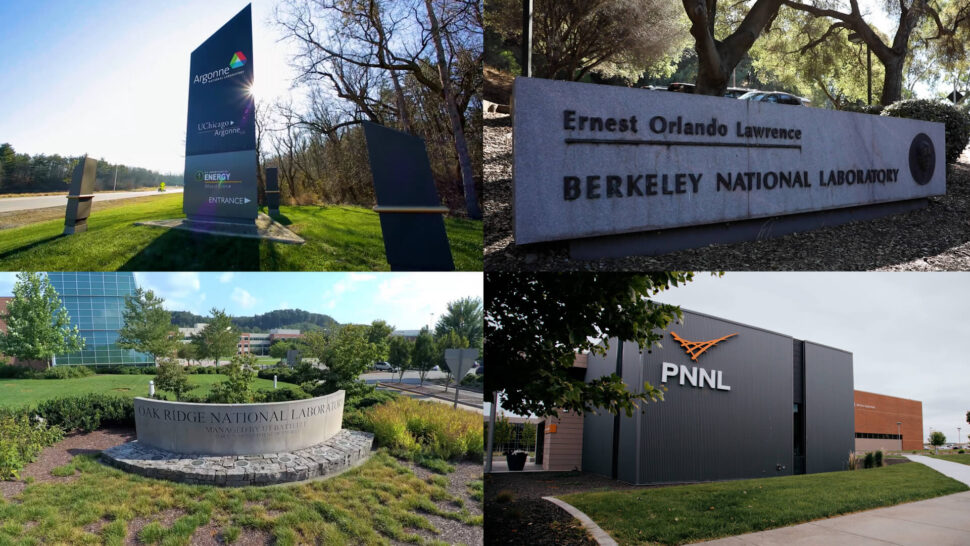
The co-scientist agentic AI platform harnesses the Frontier supercomputer to train, fine-tune and generate output for the Orchestrated Platform for Autonomous Laboratories (OPAL) project, a multi-laboratory initiative of DOE’s Genesis Mission. The Genesis Mission is a national initiative to build the world’s most powerful scientific platform to accelerate discovery science, strengthen national security and drive energy innovation.
OPAL partners include Oak Ridge, Argonne, Lawrence Berkeley and Pacific Northwest national laboratories. The project combines AI, robotics and automated experimentation to create an interconnected network of labs to learn, adapt and accelerate breakthroughs across biology, biotechnology and energy science. ORNL researchers’ initial focus is biodesign for critical minerals and materials recovery. Proactively sharing and integrating AI-ready data, models and agents to guide experiments at the four labs can significantly speed experimentation and time to analysis for faster solutions.
With the OPAL co-scientist, ORNL researchers conducting an experiment on the ability of plants to absorb nickel were able to reduce the time to analysis for more than 1,000 physical plant traits from hundreds of hours of manual labor to a few minutes of interaction with the AI agent.
With the OPAL co-scientist, ORNL researchers conducting an experiment on the ability of plants to absorb nickel were able to reduce the time to analysis for more than 1,000 physical plant traits from hundreds of hours of manual labor to a few minutes of interaction with the AI agent.
Phytomining is not a new concept. Plants have been used for years to help remediate soils at former industrial and mining sites. It is ideal for areas with large, low-grade mineral deposits unsuitable for conventional mining or for growing food crops. Deployment is aimed at rural areas with marginal lands, in warmer regions where plants grow larger faster, and in rehabilitation zones for existing or planned mining operations.
ORNL researchers investigated how 12 unique lines of the pennycress plant collected from varied growing regions across the world accumulated nickel. The plant is fast-growing, and in the same family as a known nickel accumulator. Nickel is used in lithium-ion batteries and is essential to making stainless steel and superalloys for jet engines, military hardware and weapons systems.
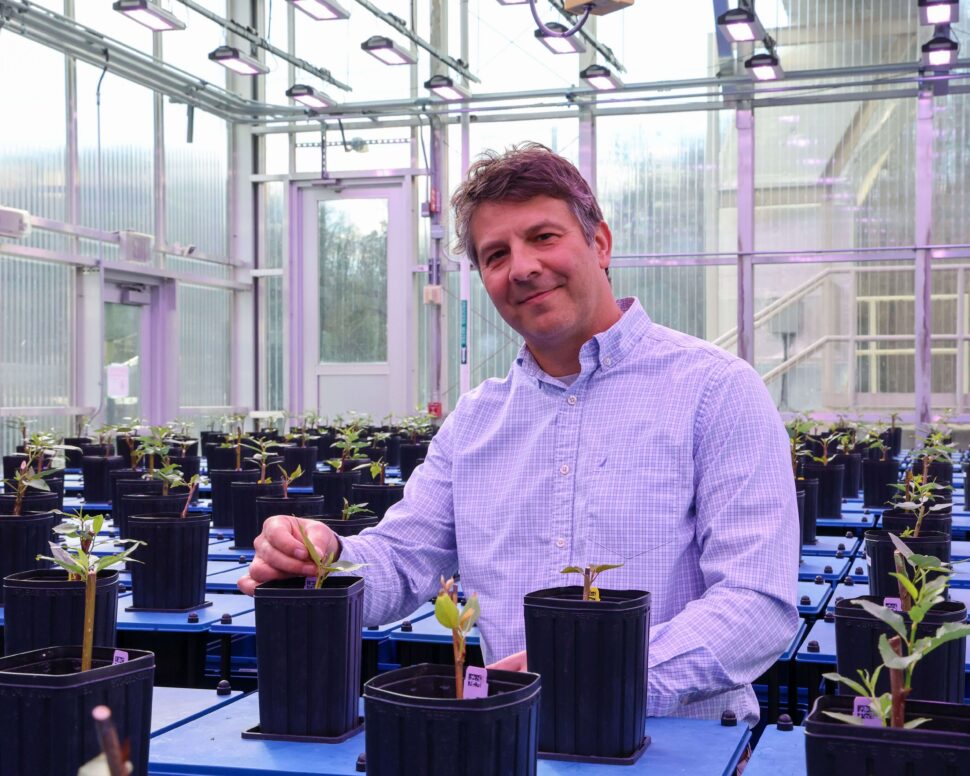
“With the co-scientist, you can pick any of hundreds of traits at any timepoint in the experiment and get analysis in less than a minute.”
David Weston
OPAL lead at ORNL
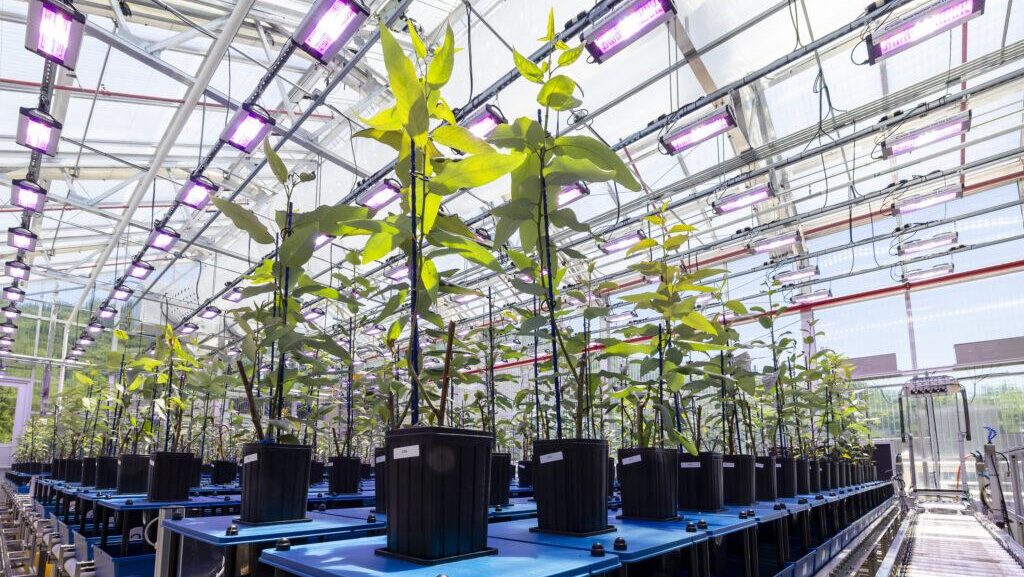
Researchers observed a total of 360 pennycress plants growing in soils treated with varying nickel concentrations using ORNL’s Advanced Plant Phenotyping Laboratory (APPL).
Day and night, the plants traveled through APPL on automated conveyers, where high-resolution cameras recorded tiny changes in leaf color, plant architecture, growth, stress response and mineral content. By the end of the experiment, more than 24,000 observations revealed how each individual plant responded to increasing nickel concentrations.
Accelerating discovery, integrating AI-ready data
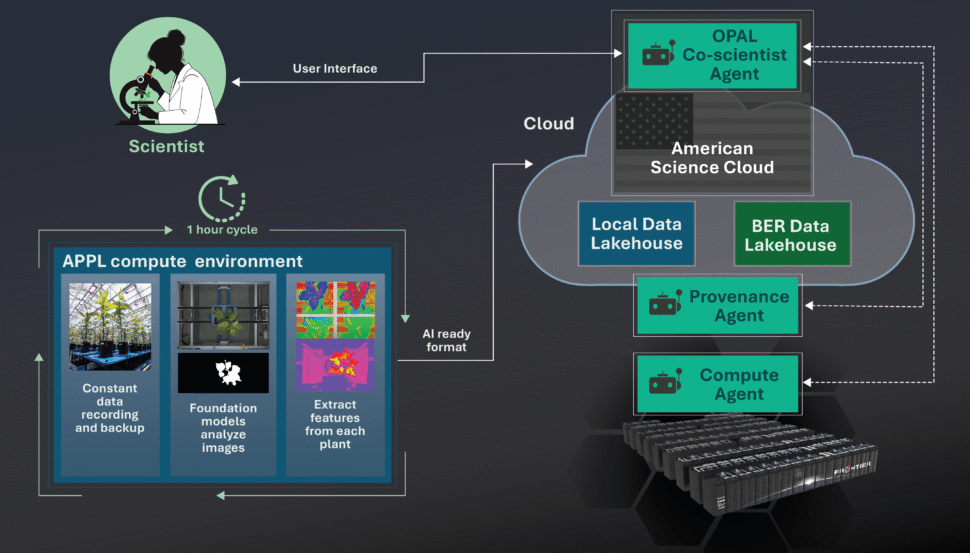
The data were analyzed by deep learning methods and the agentic AI co-scientist system developed for OPAL through a collaboration between the lab’s plant biologists and computational scientists. Agentic AI doesn’t just answer a single question like a chatbot; it runs a loop. The agent plans, uses tools to write and run code, retrieves results, provides context and recommends next steps to human researchers on the loop.
The OPAL co-scientist was developed on Frontier, the world’s fastest supercomputer for open science, at ORNL’s Oak Ridge Leadership Computing Facility, which is supported by DOE’s Advanced Scientific Computing Research program. OPAL uses Frontier’s processing speed to perform massive computation on the fly. The co-scientist also uses agentic AI modules developed by OPAL partner Argonne.
The co-scientist previously demonstrated its ability to cut the time for analysis of plants from hundreds of hours to minutes. Since then, the OPAL team has significantly increased the functionality of the agentic AI system and established automated workflows.
The co-scientist quickly delivered insights on pennycress performance and suggested next steps by:
- Identifying the top nickel-tolerant plant varieties in the experiment,
- Assessing which plants had superior growth and stress resilience and
- Pinpointing which early-stage traits best predicted final nickel accumulation.
The co-scientist also rapidly identified anomalies and alerted researchers to check the experiment for potential corrective action, reducing downtime and risk. It suggested follow-on experiments to confirm the plants’ growth dynamics, uncover underlying nickel tolerance biology and to refine biodesign strategies for enhanced nickel phytomining.
The research team also demonstrated the transfer of optimized, AI-ready data to the American Science Cloud (AmSC) and to the DOE Office of Science’s Biological and Environmental Research Program’s integrated database.
The OPAL co-scientist was deployed within the AmSC, a cornerstone, multi-laboratory platform led by ORNL for the DOE Genesis Mission.
Automating repetitive, time-consuming tasks
“Instead of waiting until the end of the experiment for a single endpoint measurement, this unique computational platform created a dynamic record of how each plant responds to nickel over time during live experiments to enable real-time analysis and decision-making,” said David Weston, principal investigator for ORNL’s OPAL initiative. “Rather than requiring scientists to manually record and search through images, spreadsheets, model outputs and metadata, the co-scientist uses specialized agent skills to divide the work.”
As part of the experiment, scientists also collected some data by the traditional manual method, with two researchers measuring by hand plant traits, including greenness and bolting — the time when plants experience a growth spurt just before flowering and producing seed. The researchers took six hours to record the data for all plants on a given day using paper forms, then transferred the information to computers.
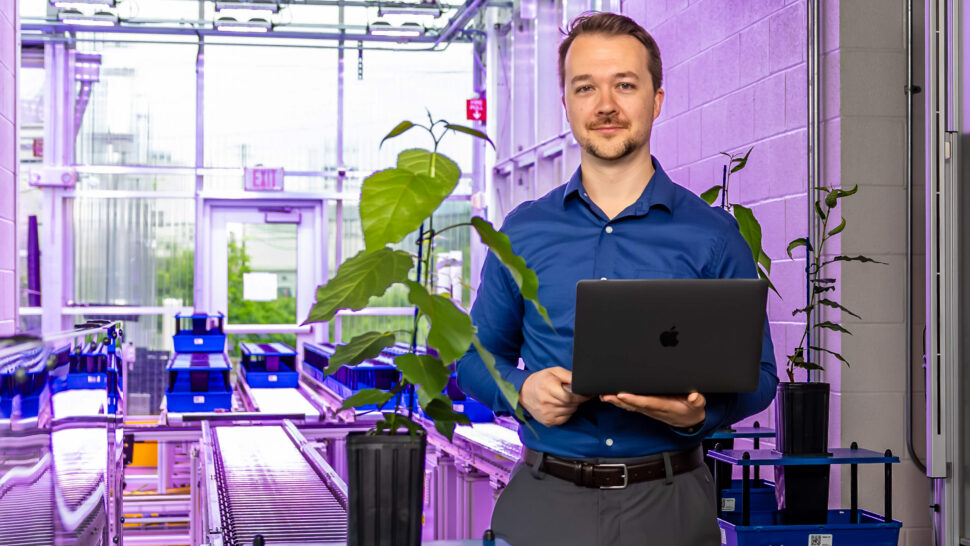
“Using the manual method you end up with six hours of effort for 10 traits and one timepoint in the experiment,” said John Lagergren, an ORNL computational scientist and OPAL team member. “In comparison, APPL collects images of each plant three times a day, and the system extracts and analyzes hundreds of traits from those images. You can go into the co-scientist platform and reproduce everything we collected by hand in less than a minute —and not just for one timepoint or a few traits.”
“With the co-scientist,” Weston said, “OPAL transforms APPL from a passive measurement platform into an adaptive learning environment.”
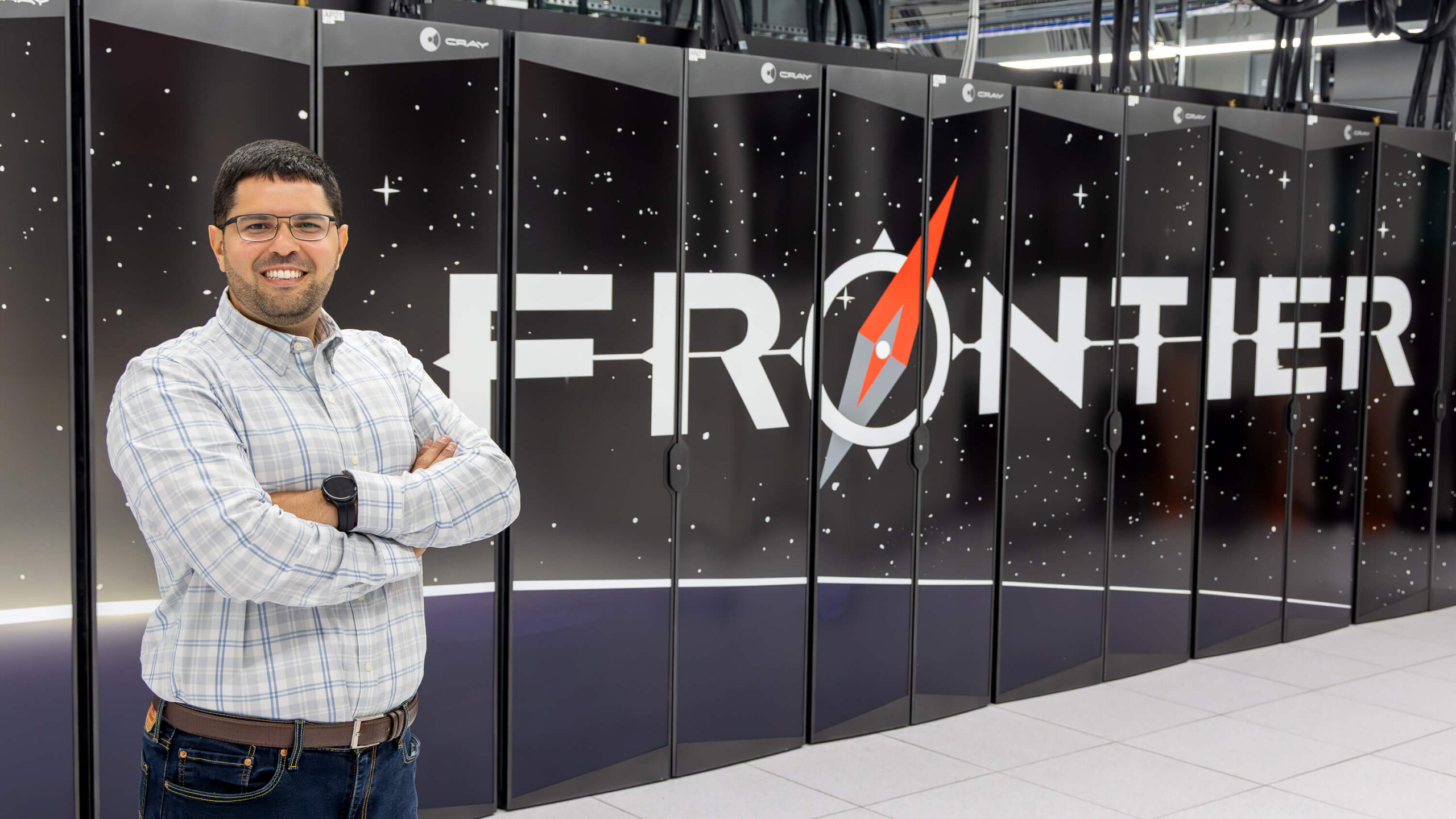
“The purpose of these agents is to collaborate with the scientist by reducing the technical burden of analyzing data across files, scripts and query tools, so the scientist can focus on interpretation, judgment and experimental design,” said Renan Souza, who led the ORNL experiment’s computational work.
“Even with extensive context, fully contextualized interpretation still requires human judgment,” said Daniel Rosendo, ORNL lead for OPAL’s Genesis Mission platform deployment. “The scientist remains in control, while the OPAL co-scientist’s agentic workflow helps shorten the path from data generation to scientific insight.”

The OPAL demonstration and its findings on pennycress have wide implications for the agricultural sector, said John Sedbrook, a professor of genetics at Illinois State University and an expert in pennycress. Pennycress is a widely used cover crop and in the same family as the Odontarrhena genus of plants that are known as nickel hyperaccumulators. Sedbrook’s lab provided the bulk of the pennycress lines for the experiment.
“Agentic AI has the potential to become a true scientific collaborator by automating phenotyping, interpreting complex biological datasets and accelerating biodesign,” Sedbrook said. “For crops like pennycress and Odontarrhena, this could compress years of discovery into months and help bring DOE mission-focused agricultural and bioindustrial innovations to the field much faster.”
Developing a new paradigm for biological discovery
“Using AI is a very different approach than how we’ve conducted biology in the past, where we have a strict hypothesis and painstakingly test that hypothesis,” said Kelsey Carter, a technical professional who led the OPAL pennycress experiment in the APPL facility. “The real-time observations and analysis delivered by OPAL’s agentic AI saves a tremendous amount of time and significantly improves our ability to make accurate predictions.”
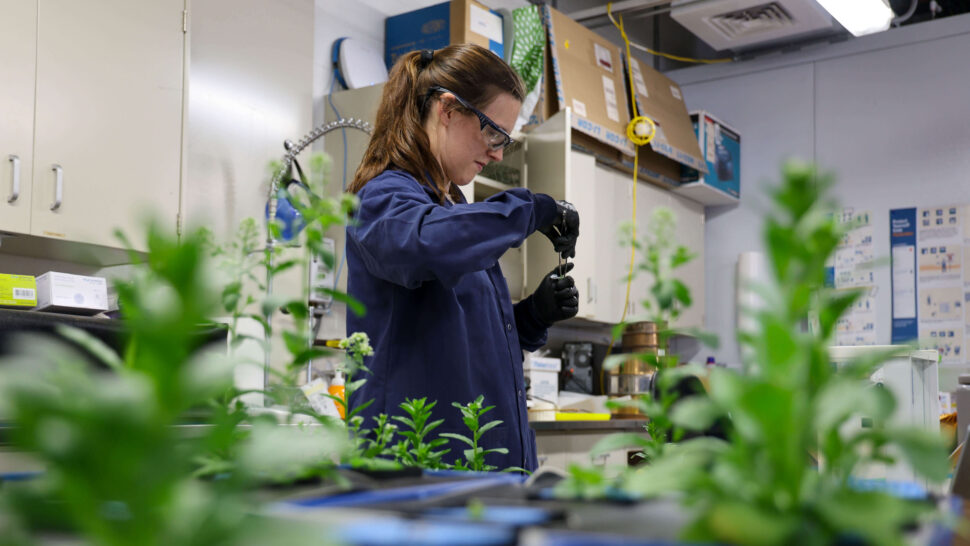
In the project’s next steps, ORNL scientists will integrate plant experiments with the proteins and microbes being developed by OPAL partners to aid phytomining.
Argonne is developing pH-optimized proteins for enhanced bioleaching enzymes that can increase rare-earth element extraction, using AI and advanced robotics to accelerate the design, build, test and learn cycles. Pacific Northwest and Lawrence Berkeley national laboratories are using robotics and agentic AI approaches to develop microbes such as the metal-tolerant Pseudomonas putida that exude organic acids to release soil-bound critical minerals, enhancing uptake in plants.
OPAL takes the highest-impact approach for successful phytomining by co-engineering plants, microbes and proteins, turning the resulting multi-scale, multi-kingdom biological system into a programmable platform that accumulates valuable minerals in plants for harvest and processing.
“When you put the power of the national labs together, the result exponentially accelerates the time to discovery and what we can achieve,” Weston said.
UT-Battelle manages ORNL for DOE’s Office of Science, the single largest supporter of basic research in the physical sciences in the United States. DOE’s Office of Science is working to address some of the most pressing challenges of our time. For more information, visit energy.gov/science.
Additional Resources
OPAL Website

What’s Next for OPAL?

What is OPAL?

Accelerating Plant Discovery With AI

AI for Biological Discovery

AI Agents for Faster Biological Discovery
Related Researchers
David Weston, John Lagergren, Renan Santos Souza, Kelsey Carter, Rafael Ferreira Da Silva, Fred Suter, Sara Jawdy, Jordan Basalyga, Sunny Kemmer, David McLennan, Daniel Rosendo, Phillipe Austria, Xiao Wang, Sharmin Majumder, Daniel Hopp, Larry York, Kristen Joyner, Jacob Weston, Priya Ranjan, Dileep Kishore, Shelaine Curd, Swen Boehm, James Kolpack, Tyler Hackworth
Acknowledgements
U.S. Department of Energy, Office of Science, Biological and Environmental Research Program and Advanced Scientific Computing Research
Oak Ridge Leadership Computing Facility, an Office of Science user facility
Credits
Author: Stephanie Seay
Photos and videos: Michaela Bluedorn
Illustration: Andy Sproles
Contributors: Kim Askey, Kaylee Coffmann, Brittany Cramer, Kelly Lewis