
Flowing Innovation
Enhances and accelerates the contributions of water power in facilitating more reliable, resilient, and affordable electric power sources, infrastructure, and systems.
Learn About ORNL's Water Power Technical Collaboration Program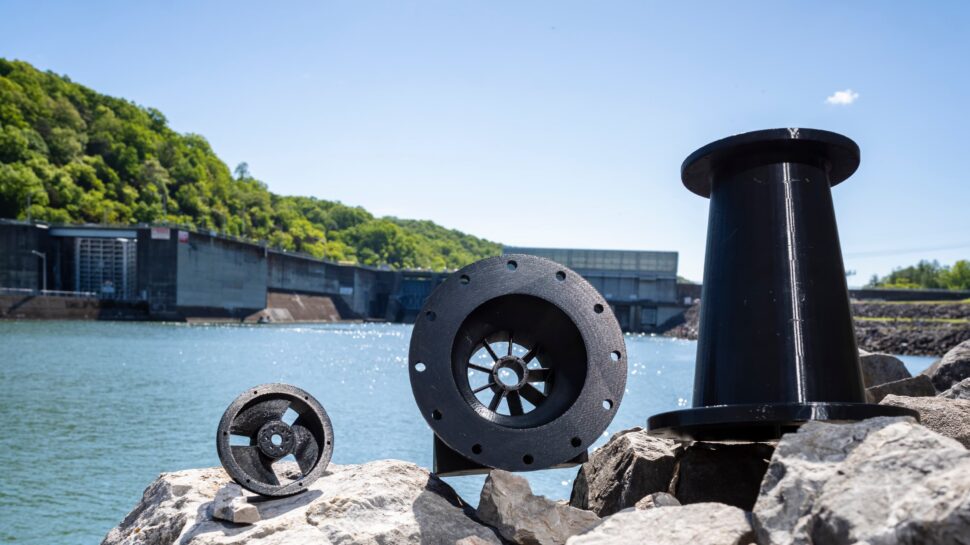
Why Water Power?
With millions of miles of natural waterways across the U.S., water power is a readily available and consistent source of domestic energy production. Already accounting for about 6% of total electricity generation, water power is uniquely capable of filling in the gaps between traditional electricity sources and other intermittent sources such as wind and sun. Water power can also be stored and, in fact, is the largest source of utility-scale energy storage in the country. As a result, water power can play a crucial role in balancing the needs of a more reliable electric power grid with that of a thriving environment.
Research & Development
Our research focuses on reducing costs and improving performance of existing hydropower facilities and accelerating innovations in water power technologies. ORNL’s strengths in data analytics, materials science, and environmental science provide a full complement of resources. We leverage our expertise in national water-energy data, optimization decision-making tools, early-stage technologies, environmental synthesis, high-performance computing, and advanced manufacturing to support water power and domestic energy generation.

Research Priorities

Hydropower Fleet Intelligence
To overcome the current gaps in hydropower fleet management data, researchers at ORNL are developing data-driven best practices that can be shared with hydropower facilities to optimize value and reliability of these energy facilities.
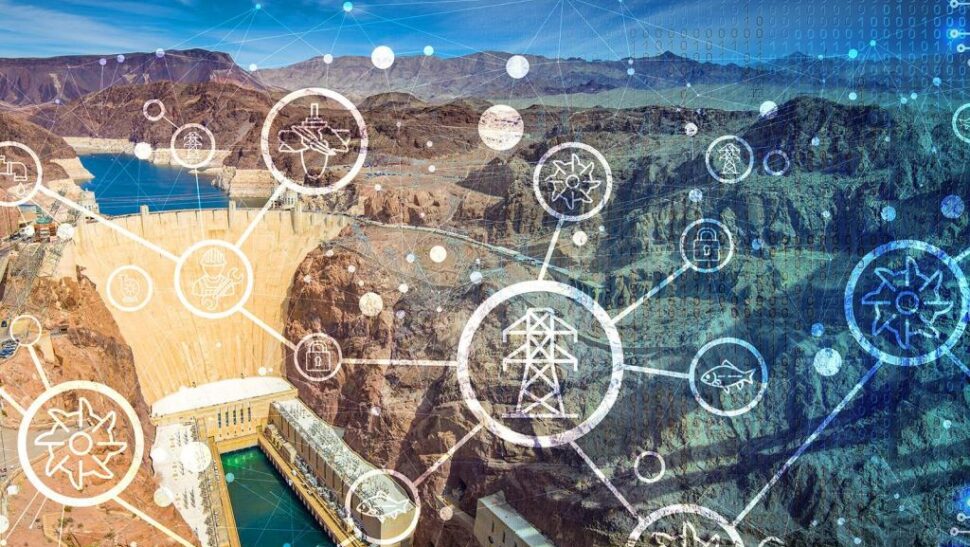
The Digital Twin for Hydropower Systems
The U.S. hydropower fleet, with an average machine age of 64 years, will require modernization to sustain and improve the value and reliability of the nation’s longest-serving energy technology. To assist hydropower asset managers, owners, and other stakeholders in enhancing hydropower capabilities, the U.S. Department of Energy’s Hydropower and Hydrokinetic Office (H2O) directed ORNL and Pacific Northwest National Laboratory to initiate a Digital Twin for Hydropower Systems – Open Platform Framework (DTHS-OPF) research effort as part of its long-term effort to support digital twin technology.

Testing of Hydropower Technology
Tasked by the Department of Energy’s Hydropower and Hydrokinetic Office (H2O), researchers at ORNL have released a new report that identifies the key hydropower testing gaps and recommends two initiatives to improve and expand on existing testing capabilities in the United States aimed at filling those gaps.
Advanced Manufacturing for Hydropower
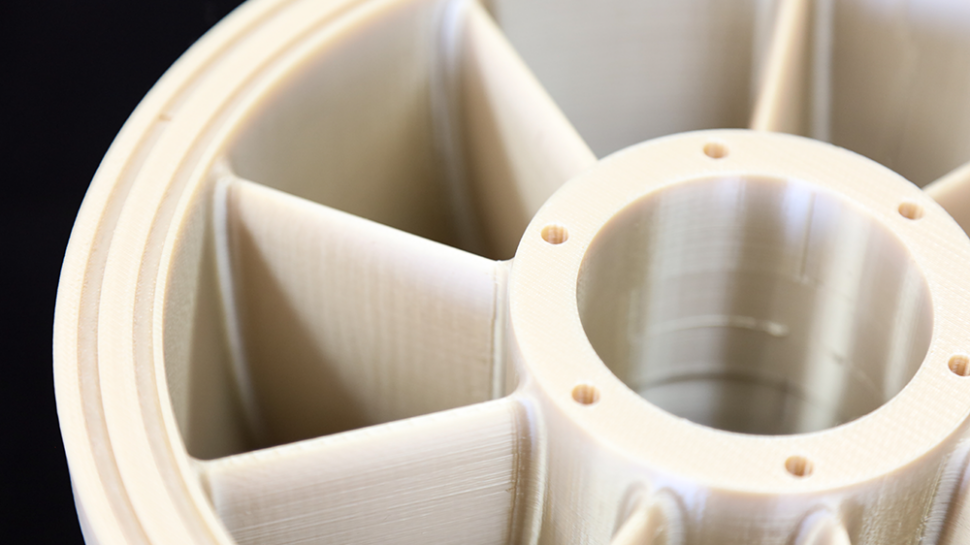
To ensure hydropower’s continued success as a resilient, secure energy source, the U.S. Department of Energy’s (DOE’s) Hydropower and Hydrokinetic Office (H2O) tasked ORNL to explore how advanced manufacturing and materials could more easily and cost-effectively modernize the existing fleet and facilitate further innovations in design.
Hydropower Cost Modeling
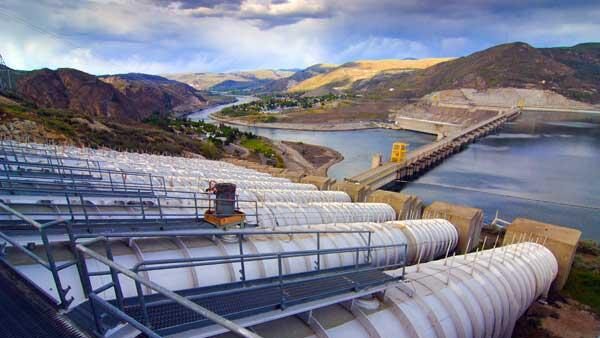
To effectively track and assess the effects of R&D activities on the economic competitiveness of hydropower technologies—and to prioritize those activities—the U.S. Department of Energy and other hydropower stakeholders need data regarding the costs and performance of U.S. hydropower plants. The Hydropower Cost Modeling project provides this data, along with modeling and analysis that promote understanding and practical applications of the data.
Annual Markets and Trends Report
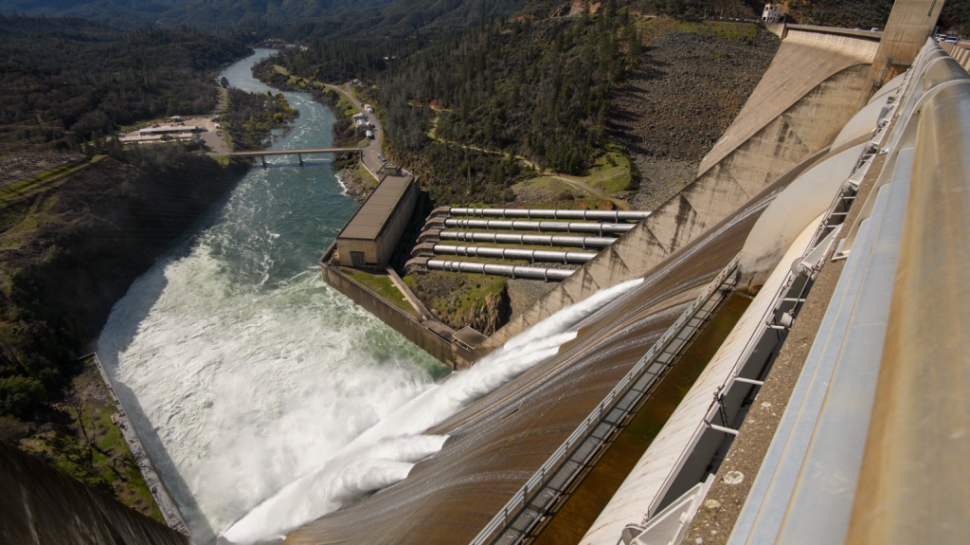
The U.S. Hydropower Market Report (HMR) is the only regularly updated source of comprehensive information on the status and direction of U.S. hydropower. This public report serves the hydropower community, including industry stakeholders and policymakers, by detailing the latest capabilities, development activities, and performance, price, and supply chain trends.
Real-time Grid Inertia Monitoring
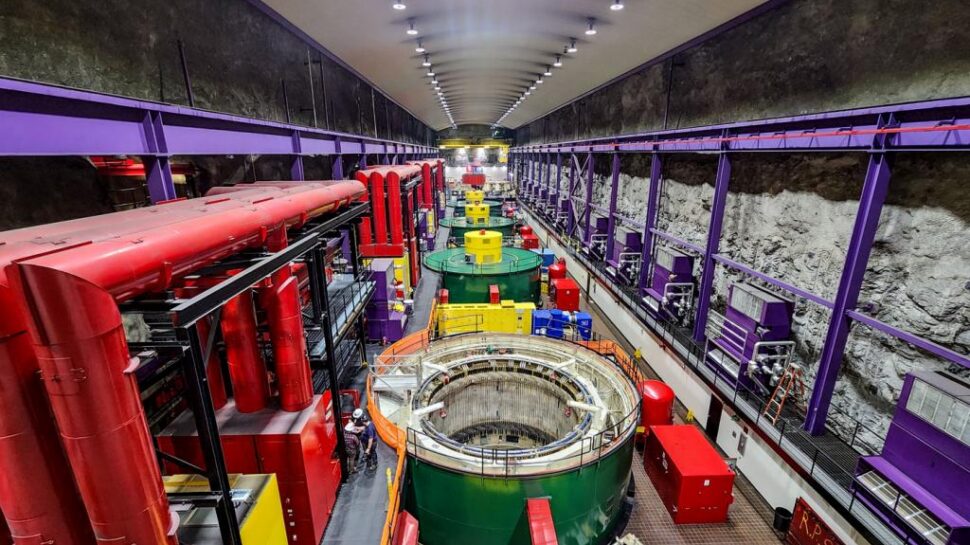
Adoption of intermittent energy resources such as wind and solar power has left U.S. power grid operators with a challenge. These resources currently provide little to no grid inertia, which keeps the system in balance between power generation and demand. Scientists from ORNL and the University of Tennessee, Knoxville, have come up with a solution: using signals from pumped storage hydropower projects to monitor grid inertia.
Pumped Storage Hydropower Using Coal Mines
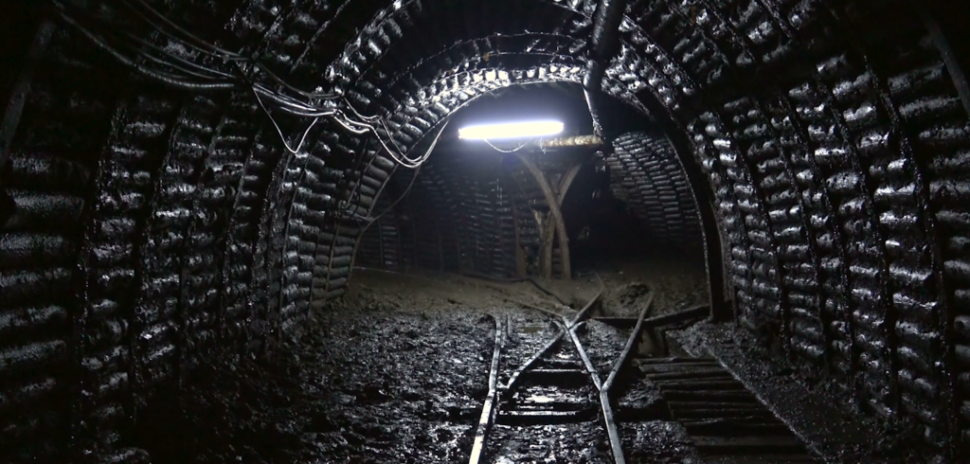
Pumped Storage Hydropower (PSH) accounts for more than 90% of grid-scale energy storage in the United States. As the nation’s need for reliable and secure energy storage grows, ORNL is investigating the potential of repurposing abandoned coal mines for PSH. By leveraging existing mine infrastructure, this approach could provide a cost-effective and scalable means of strengthening grid stability and enhancing the effectiveness of domestic power production.
Intelligent Watersheds
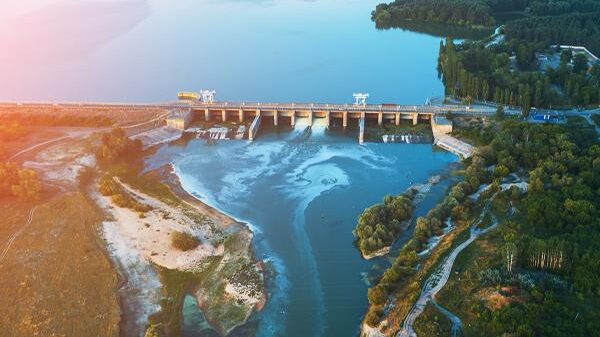
Researchers at ORNL and Pacific Northwest National Laboratory—in collaboration with the Internet of Water Coalition and other key stakeholders—are working to create advanced watershed resource management systems that digitally integrate disparate sources of information. These so-called Intelligent Watersheds will enable smarter, more informed decisions that balance complex and evolving water resource needs. The project aims to provide hydropower operators, municipalities, and other stakeholders with technical tools and institutional connections that improve system performance and resilience.

SECURE Water Act: Section 9505 Assessment
Hydropower is a key contributor to the nation’s energy portfolio, helping to fill in the gaps between traditional sources of electricity and intermittent sources such as wind and solar. However, as environmental change results in more extreme weather events across the United States — particularly droughts in the west — it is crucial to better understand and predict the conditions that impact sustainable hydropower electricity generation and what operational changes can be made to mitigate these impacts. The latest information about how these trends are evolving can be found in a report released by ORNL, which details its findings from its third environmental change impact assessment for hydropower.
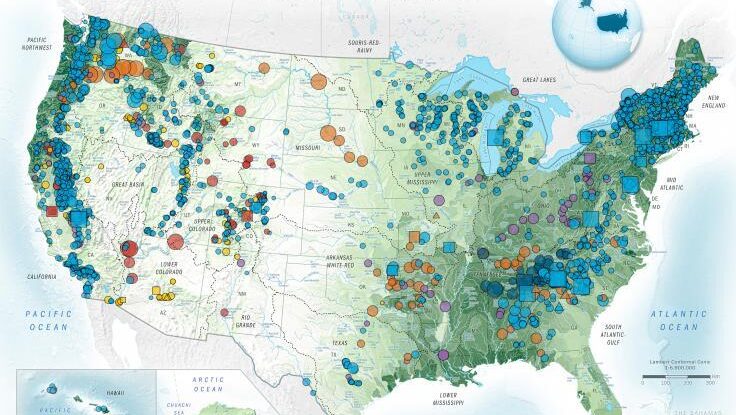
HydroSource
HydroSource is a comprehensive national water energy digital platform created by ORNL. It serves as a key steward in maintaining and disseminating authoritative hydropower data to key stakeholders across the United States. The resource consists of hydropower-related data sets, data models, visualizations, and analytics tools that support and enable hydropower research and development on topics of national interest. These topics include U.S. hydropower market acceleration, deployment, resources characterization, environmental impact reduction, technology-to-market activities, and environmental impact assessment.
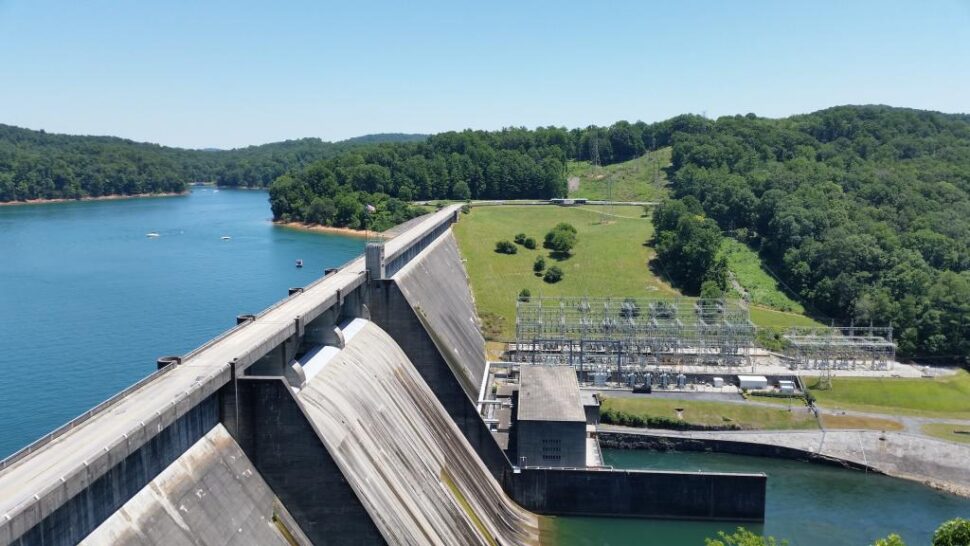
Impacts on Hydropower Licensing Timelines in the U.S.
A study led by ORNL researchers, in conjunction with the National Laboratory of the Rockies, was published in the March 2022 issue of Energy Policy. Considering the multiple and varied entities involved in the licensing process, the project team took an innovative approach to include key stakeholders in the study that represented environmental groups, utility companies, and state, federal, and tribal regulatory agencies. The goal was to better understand perceived obstacles from each vantage point and create a base level from which to work toward removing these barriers.
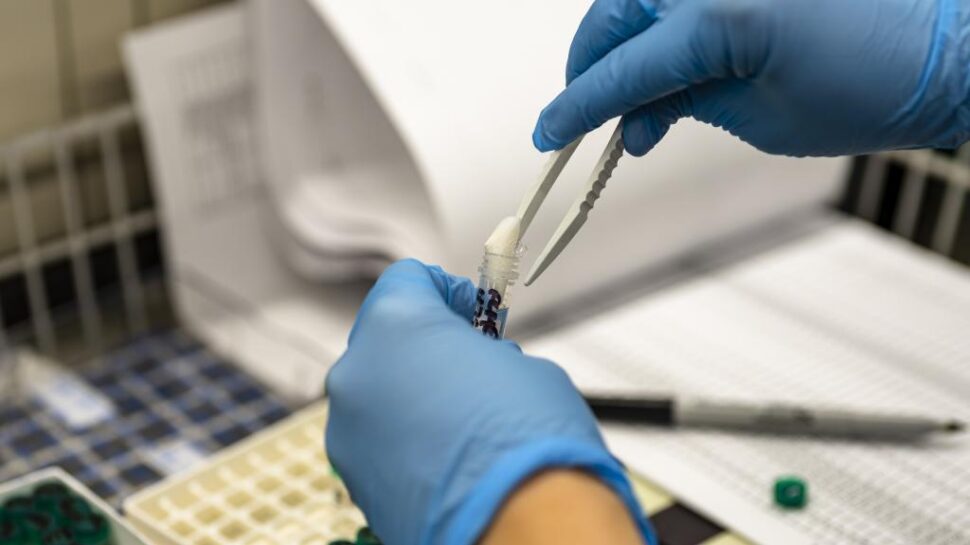
The eDNA of Hydropower
Researchers at ORNL are exploring the collection of environmental DNA (eDNA) and environmental RNA (eRNA), a cutting-edge form of biomonitoring that could simplify the licensing process for hydropower operators by dramatically improving the speed and accuracy of required environmental assessments at a much lower cost.

Environmental Decision Support Toolkit
ORNL researchers have developed an online Environmental Decision Support (EDS) Toolkitat HydroEDS.ornl.gov. The EDS Toolkit includes a science-based questionnaire to identify potential environmental impacts from the project (built using a database of more than 3,000 environmental metrics extracted from literature and an eco-evidence approach), an impacts prioritization module, and a “What’s Next?” module to quickly point users to information about relevant studies, mitigations, and regulatory and permitting information. Results from EDS Toolkit can be used as a resource during the study plan development phase of the Federal Energy Regulatory Commission licensing process, shortening the process’ duration.

Dissolved Gas Monitoring and Management in U.S. Hydropower Reservoirs
For hydropower reservoirs, accurate monitoring of dissolved gas concentrations and fluxes is key for understanding and managing the effects of high and low concentrations of dissolved gas, especially for reservoir and downstream water quality, air quality, and biodiversity. To create a more complete and precise picture of dissolved gases across hydropower reservoirs, ORNL researchers are using a combination of modeling and novel field sampling techniques to quantify patterns in dissolved gases.
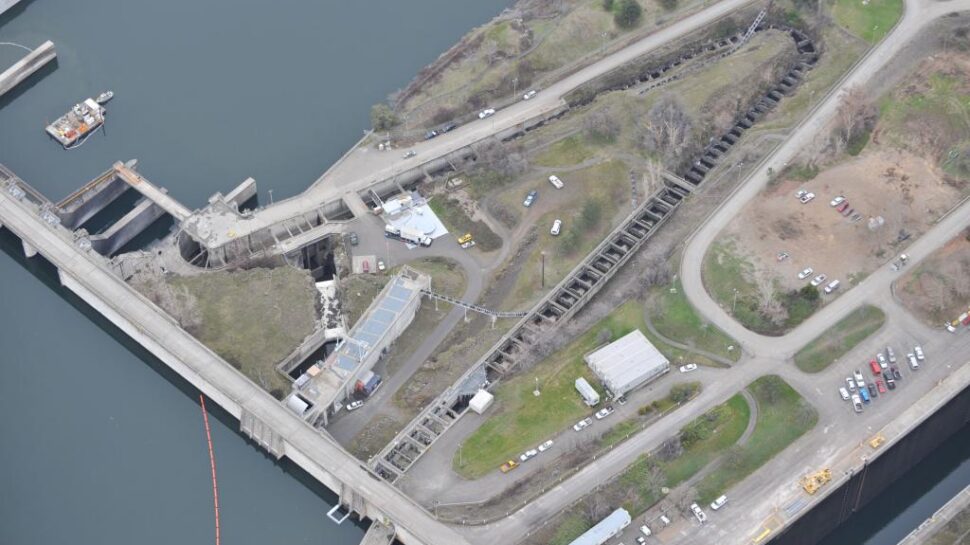
Quantifying National Fish Passage Data
ORNL researchers are developing the first centralized, geo-referenced database of fish passage facilities at hydropower installations across the United States. In collaboration with experts from the U.S. Fish and Wildlife Service, the National Oceanic and Atmospheric Administration, and the Low Impact Hydropower Institute, ORNL aims to provide stakeholders with the data they need to ensure the effective design, construction, and operation of fish passage systems.
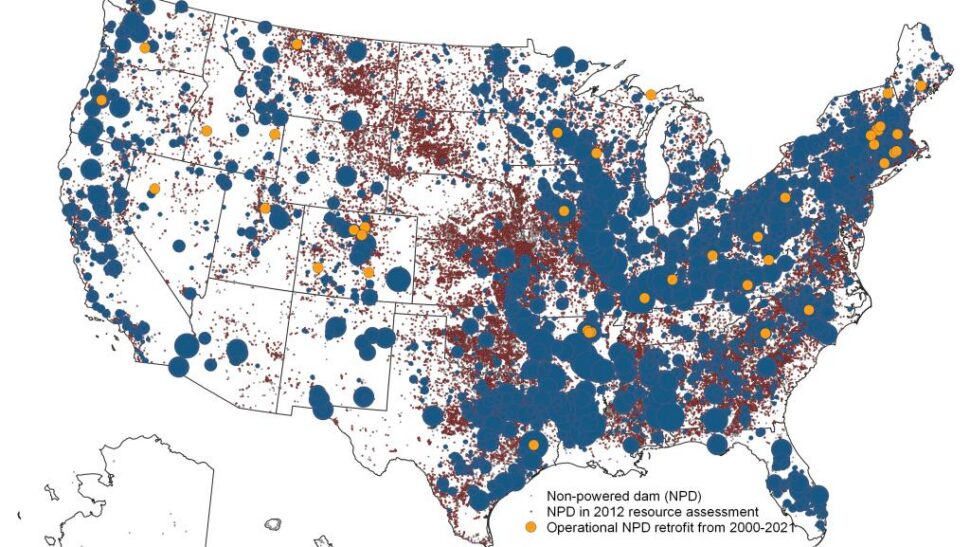
Non-powered Dam Development Opportunities
Although more than 92,000 dams are scattered across the United States, the vast majority — over 89,000 — do not generate electricity through hydropower. ORNL researchers are assessing the feasibility of retrofitting some of these non-powered dams (NPDs) to add reliable energy generation for strengthening the U.S. power grid.

Standard Modular Hydropower
ORNL’s Standard Modular (SMH) Hydropower project aims to rethink small hydropower development in the United States to make plants not only viable but also advantageous through development of standard modular hydropower SMH technology that is inexpensive and environmentally sustainable.

Modular Pumped Storage – Feasibility and Economic Analysis
ORNL researchers worked to develop a cost/benefit resource tool that assesses the cost and design dynamics of modular pumped storage hydropower (m-PSH), weighs the benefits against economies of scale inherent in utility-scale development, and measures the economic competitiveness of m-PSH against alternative distributed storage technologies, such as batteries.

Optimizing Micro-Hydropower and Fish Passage on Tribal Lands
Southern Appalachia includes the ancestral and present-day homelands of the Eastern Band of Cherokee Indians, or EBCI. Approximately 10,000 members of this sovereign nation still reside in the Qualla Boundary, and these communities often lack reliable connectivity to electricity. Due to concerns about the impacts of traditional hydropower along the Oconaluftee River Basin to ecologically and culturally important fauna as well as costs, the EBCI and ORNL are exploring smaller scale, less intrusive hydropower options, including dam-less run-of-river systems. These are easier to install in a mountainous landscape and can provide the community with an economical and reliable source of energy, while protecting and reconnecting aquatic species in streams that have been separated by barriers such as culverts and dams.

Conduit Hydropower
More than 350 conduit hydropower projects have received federal regulatory approval since 2013. Conduit hydropower installations are typically small, with minimal environmental impacts and a simplified permitting process. They offer the potential to generate new electricity for the grid and new revenue for water system operators. To quantify the potential for further conduit hydropower development, the ORNL research team conducted a consistent, replicable evaluation of conduit hydropower potential across the nation.
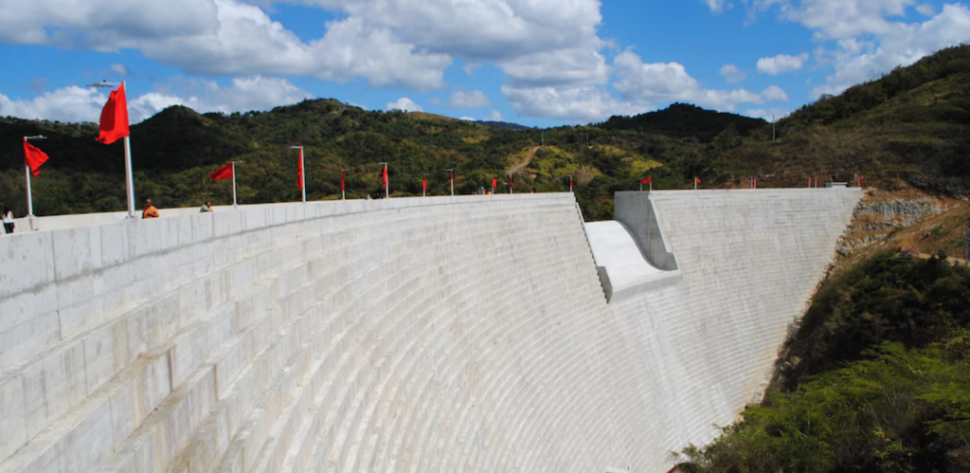
Puerto Rico Hydropower Resource Assessment
ORNL researchers examined and quantified Puerto Rico’s available hydropower resources, and assessed the potential for using the island’s non-powered dams (NPDs) for hydropower generation as part of the DOE’s PR100 Study, a two-year, comprehensive analysis of possible pathways for Puerto Rico to achieve its goal to fortify its energy system against extreme weather events and other natural disasters.
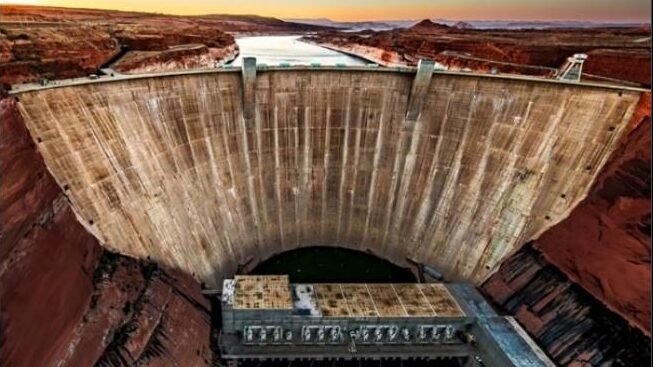
Reservoir Sedimentation
Reservoir sedimentation—the accumulation of sediment behind dams—is a major but often overlooked challenge affecting reservoirs throughout the United States. Over time, trapped sediment diminishes reservoir capacity, impairs water management, disrupts recreation, and negatively affects downstream ecosystems. This issue is compounded by incomplete sedimentation data and highly variable sedimentation rates between reservoirs. To address this challenge, researchers at the ORNL are developing comprehensive modeling frameworks and datasets aimed at quantifying sedimentation impacts and informing targeted mitigation strategies.

Conduit Hydropower Engineering, Evaluation, and Technology Acceleration
The Conduit Hydropower Engineering, Evaluation, and Technology Acceleration (CHEETA) project seeks to improve deployment potential for conduit hydropower, following on the outcomes of ORNL’s 2022 national conduit hydropower resource assessment, which identified over 1,400 megawatts of total power potential in the U.S. across municipal, agricultural, and industrial conduit systems.
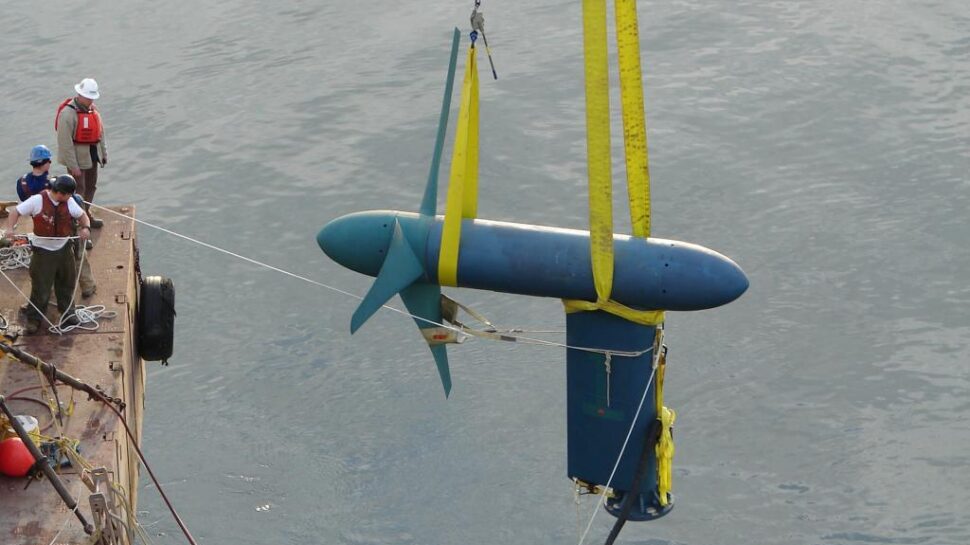
TEAMER Collaboration
Marine energy, the energy harnessed from the motion of waves and currents, relies on emerging technologies that have the potential to expand the nation’s energy sector. To develop innovations that can be successfully brought to market and to the power grid, the U.S. Department of Energy’s (DOE’s) Hydropower and Hydrokinetic Office (H2O) has implemented TEAMER, or the Testing Expertise and Access for Marine Energy Research program.
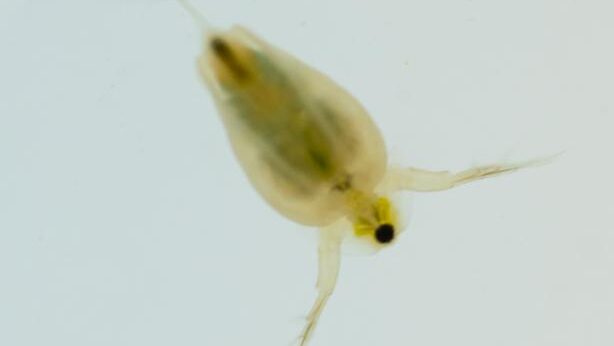
Eco-Friendly Lubricant Additives for Marine Turbomachinery
Though marine energy devices have been developed, the field currently faces a few logistical challenges that hinder widespread adoption of this otherwise promising technology. One of them is that the lubricants used to keep the machinery running require chemical additives that are either toxic, and therefore could gravely contaminate the aquatic environment, or they are not effective. To that end, ORNL scientists sought to design, synthesize and test nontoxic but high-functioning additives for use in turbines installed in aquatic environments.
Learn About the Water Power Technical Collaboration Program
Women in Water Power

Contact
Shih-Chieh Kao
Program Manager
Water Power Program