Understanding Earth and Environmental Systems
The Environmental Sciences Division at Oak Ridge National Laboratory advances scientific knowledge of Earth’s complex systems to develop innovative strategies and technologies that will boost economic prosperity, ensure energy security, and strengthen the nation’s competitiveness while sustaining natural resources. With expertise spanning aquatic ecology, ecosystem science, environmental data science, terrestrial systems, bioenergy and water power technologies, our scientists examine environmental processes from the molecular to the global level.
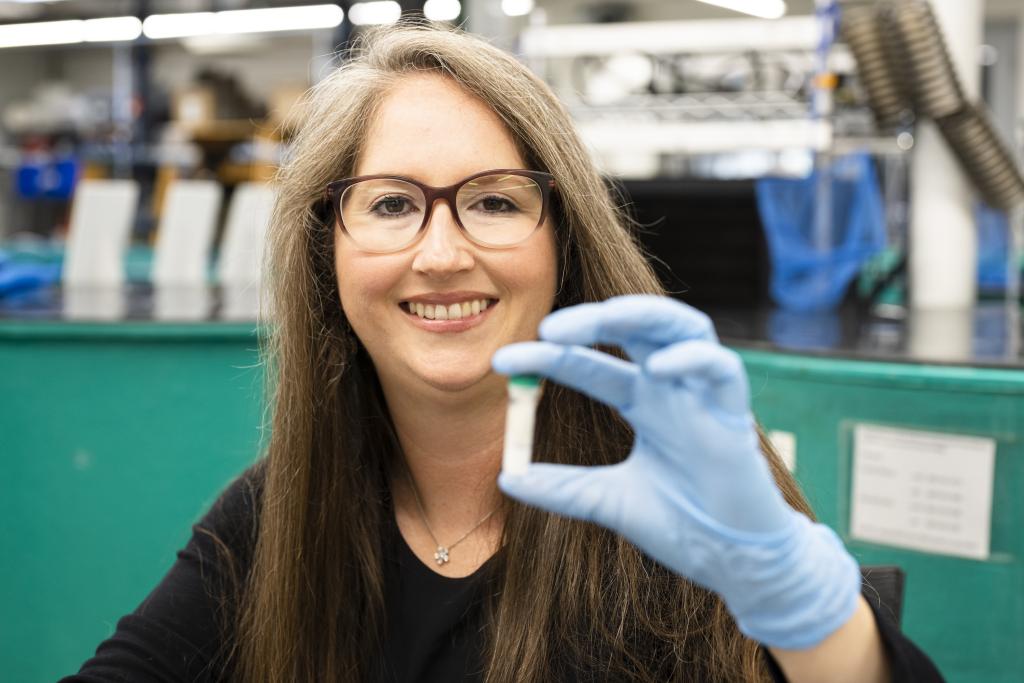
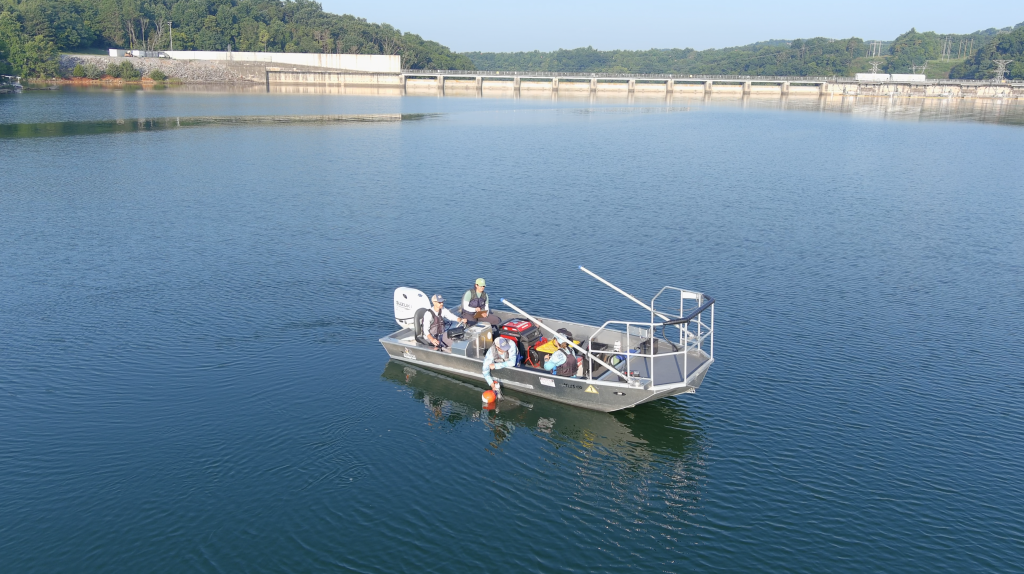
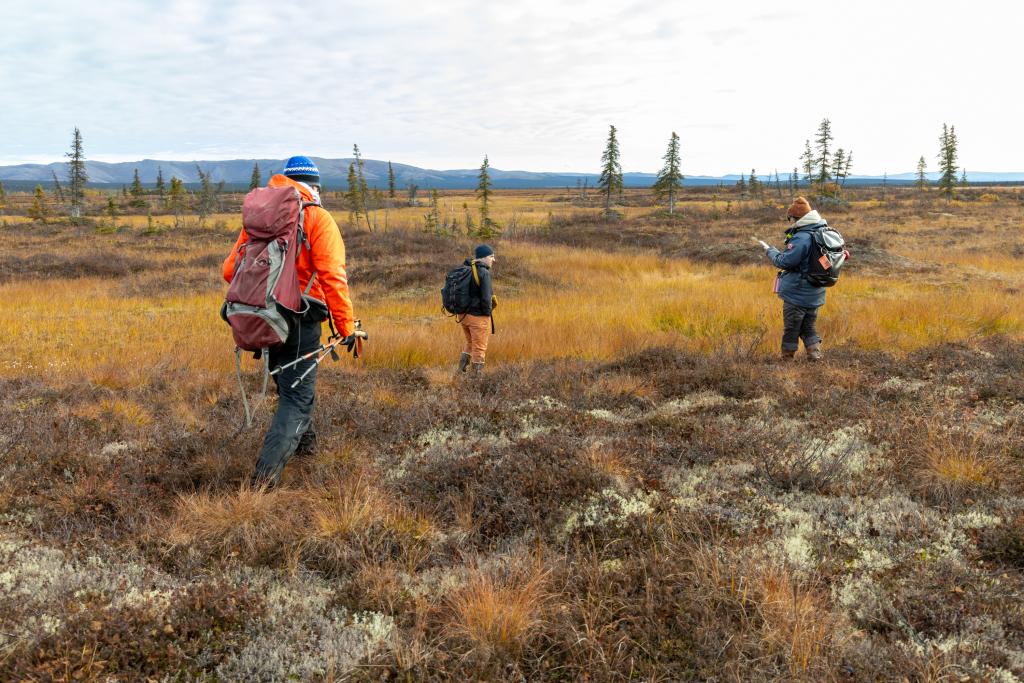
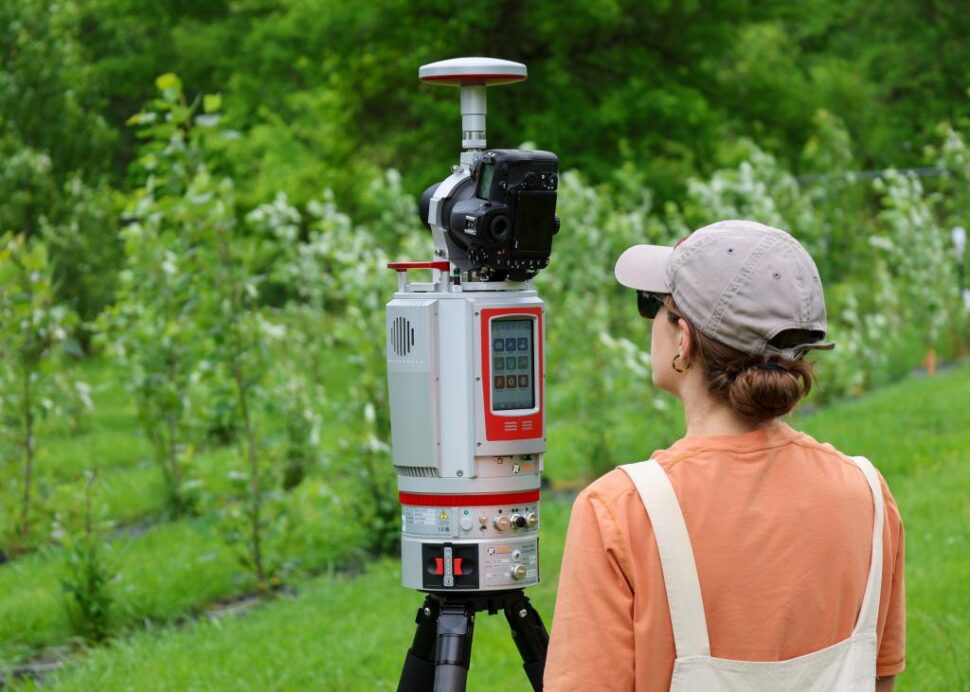
Building on over 60 years of trailblazing environmental research, we provide decision-makers with critical data, resource assessments and innovative energy solutions. Our scientists …
- evolve new bioenergy and water power technologies to support the nation’s energy needs
- investigate how ecosystems respond to natural and human-induced changes
- gather data that informs Earth system models and improves Earth system predictability
- study the processes that govern trace elements, nutrients, and contaminants such as mercury
- steward large repositories of atmospheric and biogeochemical data and create tools to ensure easy access to datasets
- evaluate the consequences of alternative energy and environmental strategies
- develop new methods to assess and manage health, environmental, and societal risks from emerging technologies and legacy wastes
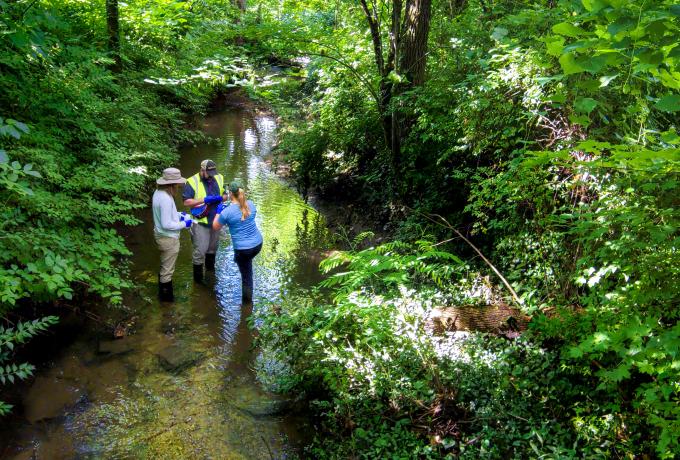
Innovations for Biotechnology and Resilient Energy Systems Section
We investigate how genes, organisms, populations, and communities both shape and respond to the management and health of ecological systems. Integrating data analytics, model simulation, engineering design, and decision-support tools, we develop strategies and technologies to support energy generation and the expansion of the US bioeconomy while maintaining the nation’s natural resources.
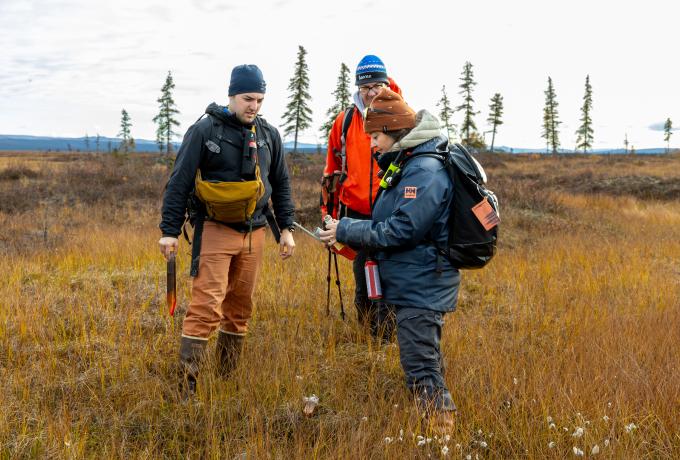
Earth Systems Science Section
To improve predictive understanding of ecosystem dynamics, including the Earth’s physical, biological, ecological, and human systems, we study how terrestrial and aquatic environments exchange carbon, water, nutrients, and trace elements across systems and throughout time. We examine how plants, soil microorganisms, and their surrounding environments drive important ecosystem functions using cutting-edge experimental, modeling, and analytical approaches and conduct large-scale manipulative experiments, observations, and integrated modeling to improve predictive understanding of ecosystem dynamics.
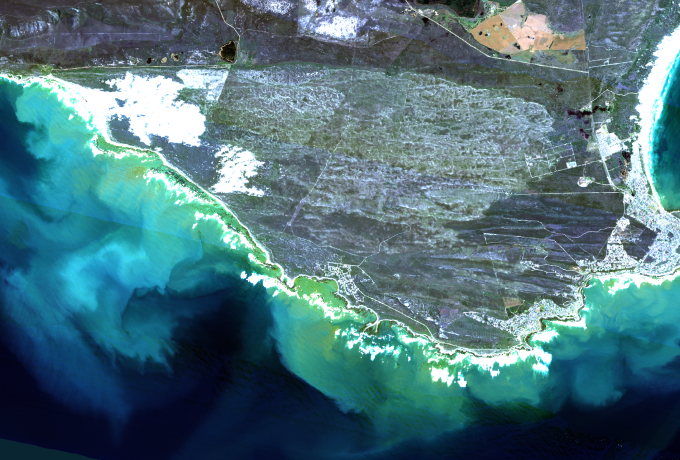
Earth System Informatics and Data Discovery Section
We are advancing next generation computational and data analytics to better understand ecosystems and their representation in numerical models, providing integrated data products, data management and delivery systems, and data services that drive scientific discoveries. Through the Atmospheric Radiation Measurement (ARM) Data Center we provide cutting-edge computing capabilities and crucial data about atmospheric phenomena to scientists worldwide. We also manage and provide open access to NASA’s biogeochemical and ecological data and models through the ORNL Distributed Active Archive Center.
“Our researchers build predictive capabilities to inform decision-making about water availability, energy security, and infrastructure resilience.”
Peter Thornton, Environmental Sciences Division Director
Projects
Terrestrial Ecosystem Science Scientific Focus Area
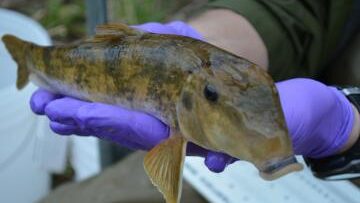
Biological Monitoring and Abatement Program

Next Generation Ecosystem Experiments in the Arctic
Our Science in Action
Next-Generation Ecosystem Experiments in the Arctic (NGEE Arctic)
The ORNL-led Next-Generation Ecosystem Experiments in the Arctic, or NGEE Arctic, project is providing critical insights into how thawing permafrost and other environmental changes in Alaska are impacting energy infrastructure and the economy.
Watershed Dynamics and Evolution (WaDE) Science Focus Area
Scientists ORNL are studying vital water systems at unprecedented levels of detail to develop models that can help inform decision-making around water conservation, land use planning, and ecosystem protection.
Pumped Storage Hydropower Unleashes Hidden Energy Resources
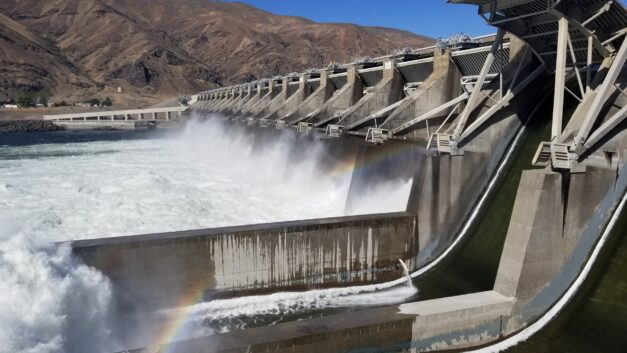
Advancing affordable and reliable hydropower can boost U.S. energy independence and leadership. With pumped storage hydropower providing 96% of utility-scale energy storage, underground systems offer new solutions to strengthen the nation’s energy systems.
Latest News
September 8, 2026
7 MIN READ
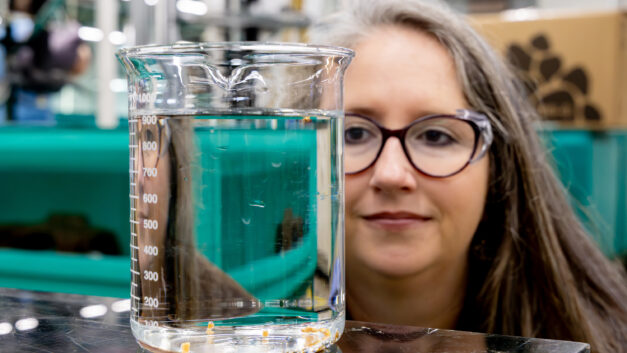
Scientists develop novel materials for commercial environmental DNA sampler
Contact